New Clients First Exam is just $44!*

A sudden loss of appetite can be alarming when your dog or cat seems interested in food but cannot chew comfortably. Dental pain may come from a cracked tooth, gum inflammation, infection, an injured mouth, or another oral problem.
Knowing what to do at home, what signs deserve attention, and when professional care is needed can protect your pet from worsening pain and poor nutrition. This guide covers warning signs, feeding choices, treatment expectations, and transparent care for pet owners in Smithfield.
Why Dental Pain Can Stop a Pet From Eating
Pets often hide discomfort. A pet with dental pain may approach the food bowl, sniff, then walk away. Some chew on one side, drop kibble, drool, paw at the mouth, or avoid hard treats.
Common causes include:
Cracked or Broken Teeth
A damaged tooth can expose sensitive tissue. Chewing may hurt with hard kibble, bones, or toys.
Gum Problems
Red, swollen, bleeding, or tender gums can make eating uncomfortable. Bad breath can signal oral disease.
Oral Injury or Infection
A wound, abscess, foreign object, or swelling can make eating difficult. Facial swelling, discharge, fever, or lethargy deserves prompt assessment.
What to Do When Your Pet Refuses Food
Do not force food into your pet’s mouth. This can increase stress or worsen discomfort. Watch closely and record when appetite changes, whether water intake is normal, and whether chewing causes visible pain.
Offer soft food if your pet is willing to eat. Moist food or kibble softened with warm water requires less chewing. Serve a small portion at a comfortable temperature. Avoid bones, hard treats, rawhides, and crunchy foods until the mouth is assessed.
Do not give human pain medicine unless a qualified professional specifically tells you to use it. Common medications can be dangerous for pets.
When Loss of Appetite Needs Prompt Care
A pet that skips one meal may not always have a serious problem. Sudden refusal to eat with dental pain should not be ignored. Contact a pet care professional promptly if your pet has not eaten normally, appears painful, or shows excessive drooling, bleeding, facial swelling, foul breath, pawing at the mouth, or trouble chewing.
Seek faster care if your pet cannot drink, has significant bleeding, difficulty breathing, extreme weakness, or rapid facial swelling. These signs need immediate attention.
For pets with sudden pain outside regular appointment hours, an urgent care for pets service can provide guidance and determine the appropriate next step.
How a Dental Visit Helps
A dental evaluation includes a mouth examination and discussion about appetite, behavior, and recent changes. Some painful problems are hidden below the gumline.
Treatment depends on the cause. Options may include professional cleaning, medication, treatment of an infected area, repair or removal of a damaged tooth, or supportive care. Your care team should explain findings, recommendations, reasons for treatment, and expected recovery.
Ask questions if anything is unclear. A transparent plan should include the cause, options, expected recovery, home-care instructions, and signs requiring another visit.
Helping Your Pet Eat Comfortably at Home
Follow the feeding plan after treatment. Soft food may be recommended while the mouth heals. Keep fresh water available and monitor eating, drinking, energy, and bathroom habits.
Use meals as a daily check of oral comfort. Watch for slower chewing, food dropping, reluctance to play, or renewed bad breath. These changes can appear before complete appetite loss.
Never assume that normal appetite means the underlying dental issue has disappeared. Pain can fluctuate, and pets may adapt to discomfort.
Preventing Future Dental Pain
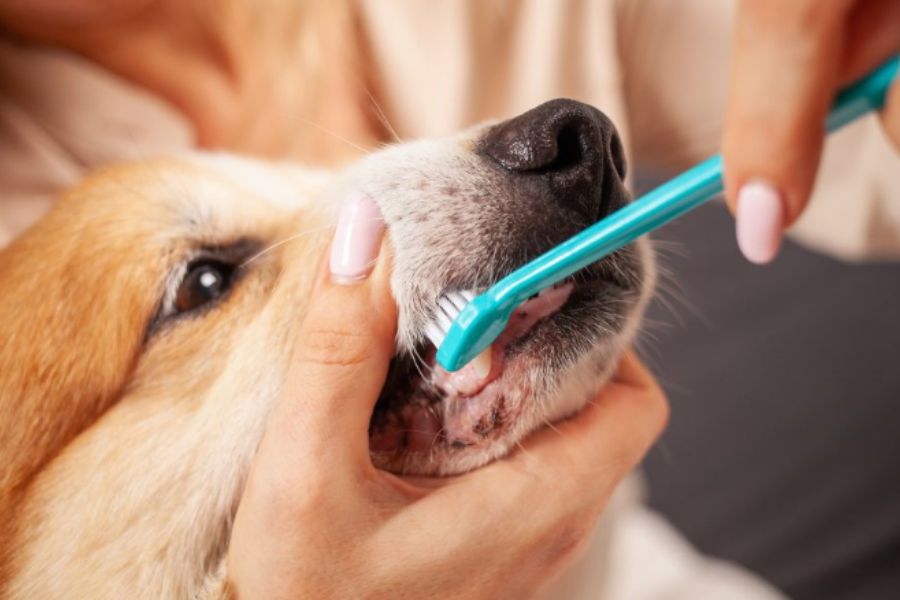
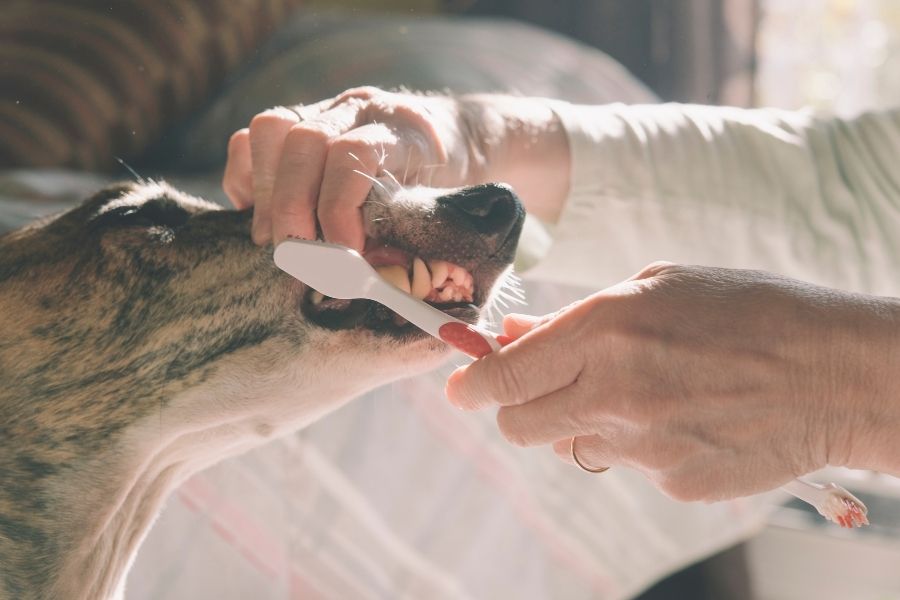
Routine oral care can reduce painful dental problems. Brush with pet-safe products, introduce brushing gradually, and choose dental products suited to your pet’s size and chewing habits.
Regular mouth checks can help you notice broken teeth, gum changes, unusual growths, or persistent odor. Ask how often your pet needs professional dental evaluation based on age, health, and oral condition.
Conclusion
Sudden appetite loss linked to dental pain needs attention. Keep food soft, avoid harmful medications and hard chewing items, monitor symptoms closely, and arrange care when pain or appetite loss continues. Early assessment can identify oral problems and restore comfortable eating.
If you’re located in Smithfield, reach out to Willowrun Veterinary Hospital, where compassionate care and community come together for your pet’s well-being. For urgent concerns, call us at: 919-934-1504.
6 Frequently Asked Questions
1. Why is my pet suddenly not eating?
A: Dental pain can make chewing uncomfortable. Broken teeth, sore gums, infection, mouth injuries, or swelling may cause a pet to approach food but stop eating because chewing hurts. Early attention can prevent worsening pain and appetite loss.
2. What can I feed a pet with dental pain?
A: Soft, moist food is usually easier to manage than hard kibble. Offer small portions and avoid bones, hard treats, and crunchy foods until the mouth has been evaluated. Smaller meals can be gentler when the mouth feels tender.
3. How long can a pet go without eating?
A: The safe timeframe depends on the pet’s species, age, size, health, and symptoms. A sudden appetite change with pain deserves prompt professional advice rather than waiting several days. Pets with other health concerns may need advice sooner.
4. Should I brush my pet’s teeth when the mouth hurts?
A: Avoid brushing a painful or injured mouth unless your care provider recommends it. Brushing can irritate sensitive areas and may make your pet more fearful of oral care. Wait until pain is addressed before restarting routine brushing.
5. Can dental pain make a pet drool?
A: Yes. Pain, gum irritation, infection, mouth injuries, or a foreign object can increase drooling. Excessive drooling combined with appetite loss should be assessed, especially when other signs are present. Changes in drooling can provide an important clue.
6. When should I seek urgent care for my pet?
A: Seek prompt care when appetite loss occurs with severe pain, facial swelling, significant bleeding, inability to drink, breathing difficulty, extreme weakness, or rapidly worsening symptoms. Prompt assessment can prevent a painful problem from worsening.