New Clients First Exam is just $44!*

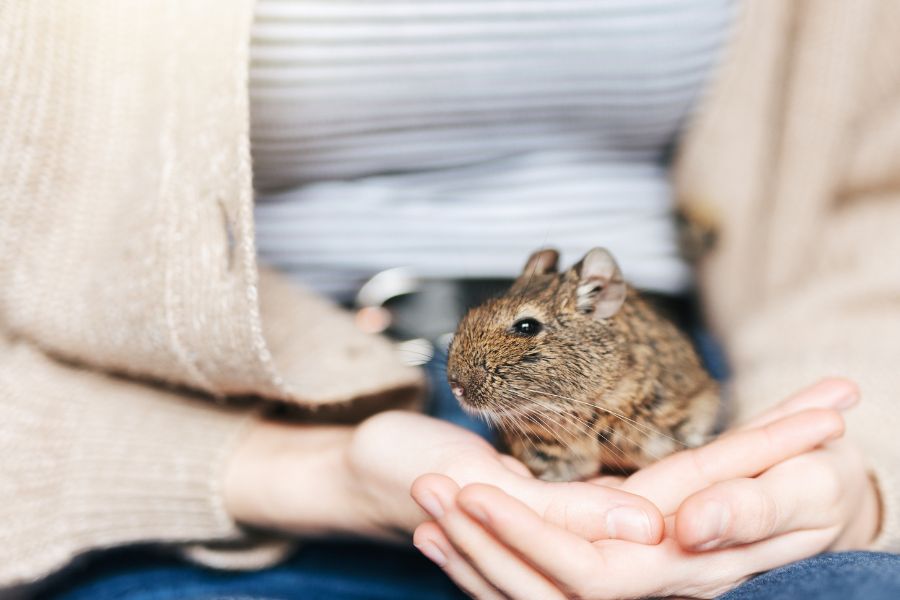
Pocket pet dental disease affects many rabbits, guinea pigs, and hamsters before owners notice symptoms. Small pets hide pain well. Changes in eating habits, drooling, weight loss, and reduced activity often point toward mouth discomfort.
Healthy teeth support chewing, digestion, and grooming. Proper nutrition, chewable materials, and wellness exams help reduce dental disease risks. This guide explains common causes, warning signs, prevention methods, treatment options, and daily care recommendations for owners of pocket pets in Smithfield.
Why Dental Health Matters in Pocket Pets
Rabbits and guinea pigs have teeth that continue growing throughout life. Hamsters may also develop dental issues from injuries, poor chewing habits, or broken teeth. Uneven tooth wear creates pain that affects eating.
Dental disease in rabbits often begins slowly. Owners may notice selective eating or dropping food while chewing. Guinea pigs with dental disease may lose weight because painful teeth make eating difficult. Hamsters may stop chewing hard foods when mouth pain develops.
Common Causes of Pocket Pet Dental Disease
1. Poor Nutrition
Low fiber diets are one of the leading causes of dental disease in rabbits and guinea pigs. Hay helps wear teeth naturally during chewing. Soft foods do not provide enough grinding action for proper tooth wear.
2. Lack of Chewing Opportunities
Pocket pets need safe items to chew daily. Wooden toys, cardboard tunnels, and chew blocks help support healthy tooth wear.
3. Genetic Problems
Some rabbits and guinea pigs inherit jaw alignment issues that affect how teeth meet inside the mouth. Misaligned teeth often grow unevenly and create painful pressure.
4. Mouth Injuries
Falls, rough chewing surfaces, or accidental trauma may crack or damage teeth. Injured teeth may grow abnormally after healing.
Signs of Dental Disease in Rabbits, Guinea Pigs, and Hamsters
Dental disease symptoms vary between species. Owners should monitor eating patterns and behavior closely.
Common Symptoms Include:
- Drooling around the mouth
- Wet fur beneath the chin
- Weight loss
- Reduced appetite
- Difficulty chewing
- Overgrown front teeth
- Smaller droppings
- Facial swelling
- Reduced grooming habits
- Lower energy levels
Some pocket pets become withdrawn because of mouth discomfort.
Preventing Dental Disease in Pocket Pets
Preventive care plays a major role in supporting healthy teeth and gums.
1. Provide Unlimited Hay
Fresh hay should make up most of a rabbit or guinea pig’s diet. Constant chewing helps wear teeth evenly and supports healthy digestion.
2. Offer Safe Chew Toys
Chew toys encourage healthy chewing habits. Untreated wooden blocks and cardboard items are common choices for pocket pets.
3. Schedule Routine Wellness Exams
Regular dental care helps identify hidden problems before severe symptoms appear. Early care often reduces discomfort.
4. Monitor Daily Eating Habits
Watch your pet during feeding time. Slow chewing, food dropping, or avoiding favorite foods may indicate dental pain.
Treatment Options for Pocket Pet Dental Disease
Treatment depends on the severity of the dental condition. Mild tooth overgrowth may require trimming or filing. Some pets need imaging.
Pocket pets with infections may need medication and supportive care. Advanced dental disease sometimes requires repeated treatment to maintain comfort and quality of life.
Owners should never trim teeth at home. Improper handling may crack teeth and worsen pain.
Daily Dental Care Tips for Small Pets
Simple daily habits help support healthy teeth throughout your pet’s life.
- Replace hay regularly
- Provide clean water every day
- Remove damaged chew toys quickly
- Check front teeth for overgrowth
- Weigh your pet monthly
- Observe chewing patterns during meals
Consistent observation helps owners recognize health changes.
Conclusion
Pocket pet dental disease affects comfort, eating habits, and wellness in rabbits, guinea pigs, and hamsters. Healthy nutrition, routine monitoring, and regular dental evaluations support a healthier life for small pets.
At Willowrun Veterinary Hospital, we provide personalized dental evaluations, wellness guidance, and supportive care to help pocket pets stay healthy, comfortable, and active throughout every stage of life. Schedule an appointment with our team today to give your rabbit, guinea pig, or hamster the attentive dental care and support they need for long term wellness and comfort.
If you are located in Smithfield, reach out to Willowrun Veterinary Hospital, where compassionate care and community support come together for your pet’s well-being.
Frequently Asked Questions
1. How often should rabbit teeth be checked?
A: Rabbit teeth should be checked during wellness visits and monitored at home each week. Drooling, weight loss, food dropping, or slower chewing may suggest developing dental disease that requires professional evaluation before symptoms become painful.
2. Can guinea pigs develop serious dental disease quickly?
A: Yes. Guinea pig dental disease may progress rapidly when teeth grow unevenly or when infections develop inside the mouth. Delayed treatment may lead to appetite loss, reduced body weight, and difficulty eating normal foods comfortably.
3. What foods help maintain healthy teeth in pocket pets?
A: Fresh hay, leafy greens, and species-appropriate pellets support healthy teeth in rabbits and guinea pigs. Hamsters benefit from balanced diets and safe chewing items that encourage natural tooth wear during daily feeding activities.
4. Why is my hamster drooling suddenly?
A: Hamster drooling may indicate mouth pain, tooth overgrowth, infection, or injury. Reduced appetite and facial swelling sometimes appear alongside drooling. A prompt examination helps identify the cause and supports faster treatment for improved comfort.
5. Are overgrown rabbit teeth dangerous?
A: Yes. Overgrown rabbit teeth may injure the mouth, reduce appetite, and create severe discomfort. Untreated dental disease may affect digestion and overall health. Early treatment helps improve comfort, nutrition, and long-term wellness for rabbits.
6. When should I schedule a dental exam for my pocket pet?
A: Schedule a dental exam if your pet shows drooling, appetite changes, weight loss, chewing difficulty, facial swelling, or visible tooth overgrowth. Routine wellness visits also help identify dental disease before symptoms become severe or painful.