New Clients First Exam is just $44!*

Healthy teeth and gums play a quiet but powerful role in a pet’s comfort, appetite, and daily mood. Many owners notice bad breath or tartar yet feel unsure about the next step. Professional dental cleanings remove buildup that brushing alone cannot handle and help detect early signs of oral problems.
This blog explains how cleanings work, why they matter, and how they support long-term pet dental health. You will also learn warning signs to watch for, ways local pet owners can protect their animals at home, and when to schedule a visit with a trusted clinic in Smithfield, NC.
What Happens During a Professional Pet Dental Cleaning
During a professional cleaning, your pet receives a careful oral check before any plaque removal. Teeth are cleaned with specialized tools that lift hardened tartar from above and below the gumline. The mouth is rinsed and polished to smooth the tooth surface, which slows future buildup.
This visit also gives the care team a chance to look for cracked teeth, gum irritation, or hidden infection. Small issues can be treated early, which keeps pets comfortable and eating well. Many owners feel surprised when they see how much cleaner and brighter their pet’s smile looks after the appointment and how fresh their breath becomes.
Why Cleanings Matter for Long-Term Health
Dental buildup does more than stain teeth. Thick tartar presses against the gums and creates pockets where bacteria grow. These bacteria may enter the bloodstream and place stress on organs such as the heart and kidneys.
Regular professional care protects comfort and supports overall pet dental health when combined with home brushing and healthy chew habits. Pets with clean mouths eat better, play with more energy, and show fewer signs of pain. Owners often notice calmer behavior during meals and less drooling around toys. Early cleanings also reduce the risk of costly dental treatments later in life.
Signs Your Pet May Need a Dental Cleaning
Bad breath that lingers for days, yellow or brown tartar along the gumline, red, swollen gums, dropping food while eating, and frequent pawing at the mouth are common warning signs.
Some pets chew on one side or avoid crunchy food. Others become quiet or less playful because their mouth hurts. A quick exam at your local clinic can reveal whether a cleaning is needed. Early care keeps small problems from growing into infections that affect comfort, sleep, and appetite.
How Local Pet Owners Can Support Dental Care at Home
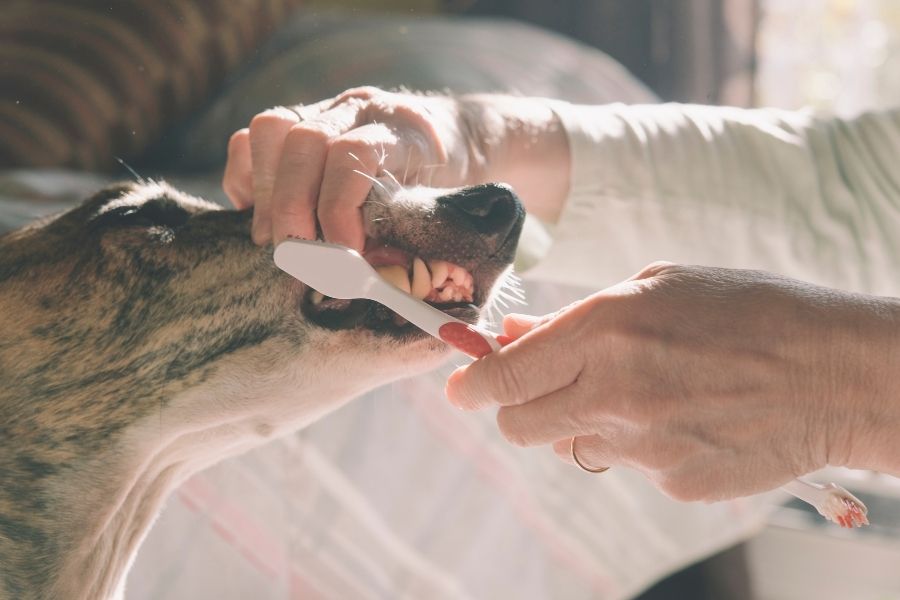
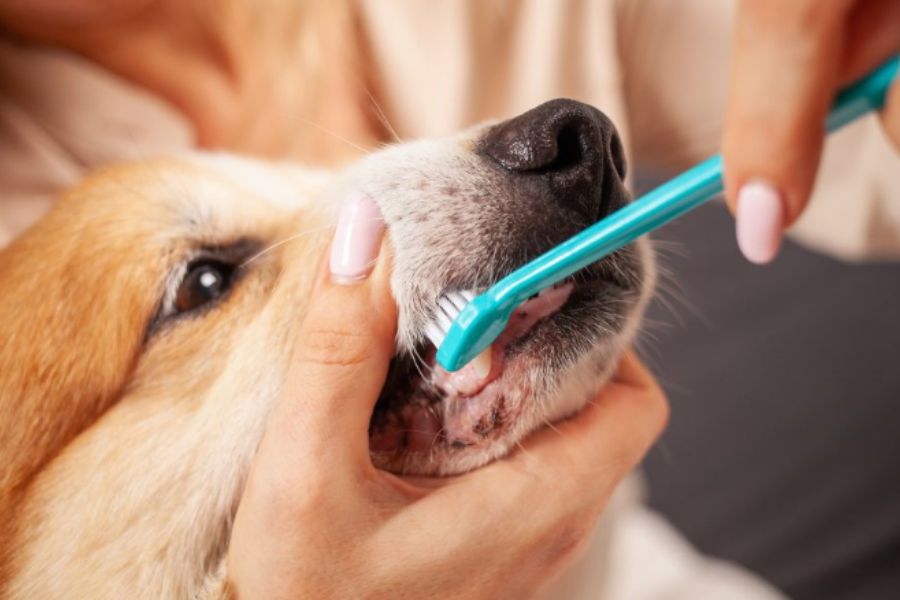
Daily habits make a big difference. Gentle tooth brushing with pet-safe toothpaste helps slow plaque growth. Dental chews, textured toys, and balanced diets also support cleaner teeth.
Many families across Johnston County include dental checks in their pet routine because prevention saves stress later. If you want to explore complete wellness services, grooming guidance, nutrition advice, and other care options, take a moment to visit the hospital website and learn how the team supports pets through every stage of life. Clear information online helps owners plan visits, understand services, and feel confident about their pet’s care.
How Often Should Pets Get Professional Cleanings
Cleaning frequency depends on age, breed, diet, and daily habits. Many adult dogs and cats benefit from a yearly dental visit. Smaller breeds often need cleanings sooner because tight tooth spacing traps plaque faster.
Senior pets may require closer monitoring since gum health changes with time. Your clinic can create a schedule based on exam findings, lifestyle, and comfort level. Routine care keeps tartar from building into thick layers that are harder to remove later.
Conclusion
Caring for a pet’s smile is more than a cosmetic step. Clean teeth support comfort, steady eating habits, and relaxed play throughout the day. Professional cleanings give pet owners peace of mind because hidden problems can be spotted early and treated before pain grows. With regular visits and simple home habits, pets keep brighter breath, stronger gums, and happier routines.
If your dog or cat has never had a dental check, now is a great time to plan one and ask questions about daily care options that fit your schedule and your pet’s personality. Local clinics also guide families with clear advice and friendly support for lifelong oral comfort and health.
Our team believes every pet deserves gentle, attentive dental care close to home. We are proud to support families who want lasting health for their companions. We are conveniently located in Smithfield, NC, and welcome you to our facility at 1417 S Brightleaf Blvd, Smithfield, NC 27577—where compassionate care and community come together for your pet’s well-being. Book an appointment with Willowrun Veterinary Hospital today and give your pet a healthier, brighter smile tomorrow with caring guidance and support.
Frequently Asked Questions About Pet Dental Cleanings
1. Do pets really need professional dental cleanings if I brush their teeth at home?
A: Yes. Brushing helps control plaque, yet hardened tartar sticks tightly to teeth. Professional tools remove this buildup and allow a deeper oral check that identifies gum irritation, infection, or hidden dental damage.
2. How long does a pet dental cleaning appointment take?
A: Most appointments last between forty-five minutes and a few hours. Timing depends on tartar levels, exam needs, and recovery time. Many pets return home the same day after their teeth are cleaned and checked.
3. Is dental cleaning safe for older pets?
A: Age alone does not prevent dental care. A health check before the procedure helps the clinic plan safe monitoring and comfort steps. Many senior pets feel much better after tartar and irritation are removed.
4. What does bad breath in pets usually mean?
A: Persistent odor often signals plaque buildup, gum irritation, or trapped food between teeth. A dental exam helps determine the cause and guides the right cleaning or treatment plan for better oral comfort.
5. Can dental disease affect other parts of the body?
A: Yes. Bacteria from infected gums may travel through the bloodstream and place stress on organs such as the heart and kidneys. Early cleanings help reduce this health risk and support long-term wellness.
6. How can I tell if my pet needs a cleaning?
A: Watch for yellow tartar, red gums, drooling, chewing changes, or strong breath. A routine exam confirms the condition and helps the clinic schedule the right dental visit for your pet.