New Clients First Exam is just $44!*

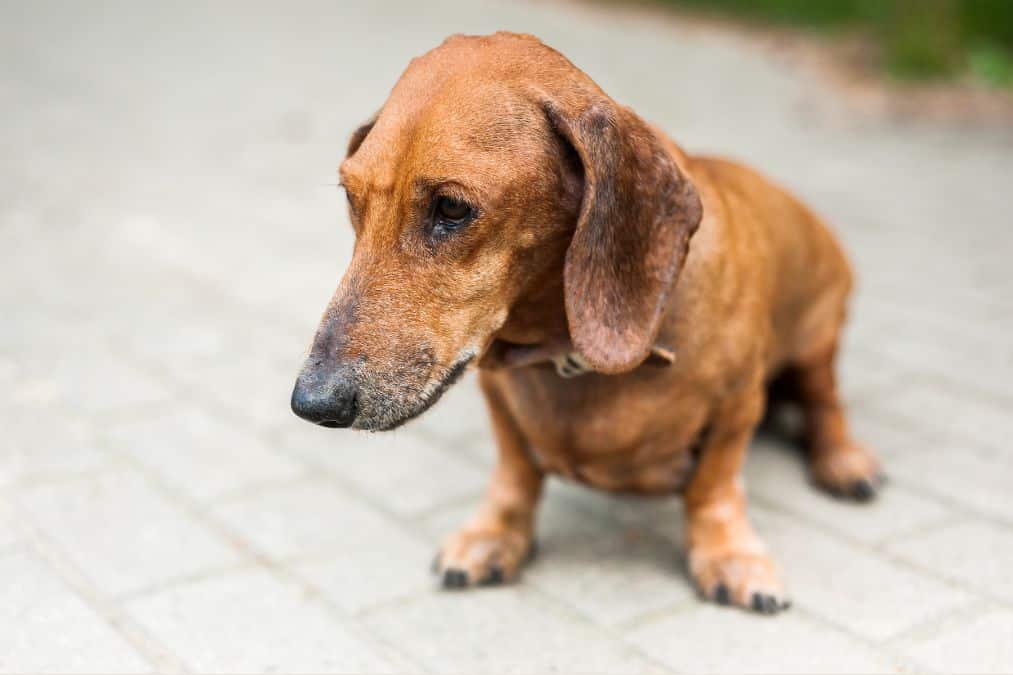
Intervertebral Disc Disease (IVDD) in dogs is one of the most common spinal conditions affecting canine mobility and comfort. It occurs when the discs that cushion the vertebrae become damaged, bulge, or rupture, placing pressure on the spinal cord. This condition can range from mild pain to severe paralysis.
Early recognition, prompt diagnosis, and proper treatment often improve outcomes significantly. This guide explains the causes, symptoms, diagnosis, treatment options, recovery expectations, prevention strategies, and when to seek professional help. Understanding IVDD allows dog owners to make informed decisions and support their pets through every stage of care.
What Is IVDD in Dogs?
IVDD stands for Intervertebral Disc Disease. The spinal column contains small discs positioned between vertebrae. These discs act as shock absorbers and help the spine move comfortably.
When a disc degenerates, slips, bulges, or ruptures, it can compress the spinal cord or surrounding nerves. This pressure may cause pain, weakness, difficulty walking, or loss of mobility.
Many pet owners refer to IVDD as a slipped disc in dogs or a herniated disc in dogs. These terms describe the same underlying issue involving spinal disc damage.
Causes of IVDD in Dogs
Several factors contribute to the development of IVDD.
1. Breed Predisposition
Certain breeds have a higher risk because of their body structure and genetics. Commonly affected breeds include:
- Dachshunds
- French Bulldogs
- Beagles
- Shih Tzus
- Cocker Spaniels
- Pekingese
Dogs with long backs and short legs experience increased stress on spinal discs throughout their lives.
2. Age-Related Disc Degeneration
As dogs age, spinal discs naturally lose flexibility and cushioning ability. Older dogs become more susceptible to disc rupture and spinal cord compression.
3. Injury and Trauma
Jumping from furniture, rough play, falls, and sudden impacts may contribute to disc damage. Repeated strain can also worsen existing spinal problems.
4. Excess Body Weight
Obesity places additional pressure on the spine. Maintaining a healthy weight reduces stress on discs and joints.
Signs and Symptoms of IVDD in Dogs
Recognizing symptoms early can prevent further spinal damage.
1. Mild Symptoms
- Neck or back pain
- Reluctance to jump
- Sensitivity when touched
- Reduced activity levels
- Muscle tension
2. Moderate Symptoms
- Unsteady walking
- Weakness in the limbs
- Difficulty climbing stairs
- Changes in posture
- Dragging paws
3. Severe Symptoms
- Inability to stand
- Loss of coordination
- Paralysis of the hind limbs
- Loss of bladder control
- Loss of bowel control
Any sudden loss of mobility requires immediate medical attention.
How IVDD Is Diagnosed
Diagnosis begins with a thorough physical examination and neurological assessment.
A veterinarian evaluates your dog’s reflexes, movement, pain response, and overall spinal function. Diagnostic imaging helps identify the affected area and determine the severity of disc damage.
Common diagnostic tools include:
- Digital X-rays
- CT scans
- MRI scans
Advanced imaging provides detailed information about spinal cord compression and helps guide treatment decisions.
Treatment Options for IVDD in Dogs
Treatment depends on symptom severity, location of the affected disc, and overall health of the dog.
1. Conservative Management
Dogs with mild symptoms may respond well to non-surgical treatment.
Conservative care often includes:
- Strict crate rest
- Anti-inflammatory medications
- Pain management
- Controlled rehabilitation exercises
Many dogs experience significant improvement when activity is restricted during the healing process.
2. Surgical Treatment
Surgery may be recommended when severe neurological deficits are present or when conservative treatment fails.
The goal of surgery is to relieve spinal cord pressure and prevent additional damage. Early surgical intervention often improves the chances of regaining mobility.
Recovery After IVDD Treatment
Recovery varies based on the severity of the condition and the treatment provided.
Many dogs require weeks or months of rehabilitation. Recovery plans may include:
- Controlled exercise
- Physical therapy
- Assisted walking support
- Range-of-motion exercises
Consistency plays a major role in successful healing.
Pet owners should carefully follow all post-treatment recommendations and attend scheduled recheck appointments.
Can IVDD Be Prevented?
Not every case of IVDD can be prevented. Several measures may reduce the risk of spinal injury and disc degeneration.
1. Maintain a Healthy Weight
Excess weight increases strain on the spine. Balanced nutrition and regular exercise help protect spinal health.
2. Limit High-Impact Activities
Disc injuries may occur during jumping or rough play. Using ramps and steps can reduce spinal stress.
3. Support Long-Backed Breeds
Owners of high-risk breeds should take extra precautions to minimize spinal strain throughout their dog’s life.
4. Prioritize Routine Wellness Visits
Regular examinations allow early detection of mobility changes and spinal concerns. Preventive evaluations are an important part of comprehensive pet preventive care and long-term health management.
When Should You Contact Your Veterinarian?
Any signs of back pain, weakness, limping, or changes in mobility deserve prompt evaluation. Waiting too long may allow spinal cord damage to progress.
Emergency care is especially important if your dog suddenly loses the ability to walk, experiences paralysis, or loses bladder control. Early treatment often improves long-term outcomes and quality of life.
Helping Dogs Live Well After IVDD
A diagnosis of IVDD can feel overwhelming. Many dogs continue to enjoy active and fulfilling lives with proper treatment, rehabilitation, and ongoing management. Understanding the warning signs, seeking care quickly, and following recovery recommendations provide the best opportunity for a positive outcome. With attentive support and proactive spinal health management, dogs affected by IVDD can maintain comfort, mobility, and a strong quality of life for years to come.
Frequently Asked Questions(FAQs):
1. What causes IVDD in dogs?
A: IVDD develops when spinal discs degenerate, bulge, or rupture. Genetics, age, obesity, and physical trauma are common contributing factors. Certain breeds, especially Dachshunds and French Bulldogs, face a significantly higher risk.
2. Can a dog recover from IVDD without surgery?
A: Many dogs with mild to moderate IVDD improve through crate rest, medications, and rehabilitation. Recovery depends on symptom severity, spinal cord involvement, and how quickly treatment begins after symptoms appear.
3. How long does IVDD recovery take?
A: Recovery time varies greatly. Mild cases may improve within several weeks, while surgical patients often require months of rehabilitation. Consistent follow-up care helps maximize recovery and long-term mobility.
4. Is IVDD painful for dogs?
A: Yes. IVDD commonly causes neck or back pain because damaged discs place pressure on nerves and the spinal cord. Some dogs show subtle discomfort, while others experience severe pain and mobility issues.
5. Which dog breeds are most likely to develop IVDD?
A: Dachshunds, French Bulldogs, Beagles, Shih Tzus, Pekingese, and Cocker Spaniels are among the breeds most commonly affected. Their body structure and genetics contribute to increased spinal disc degeneration risk.
6. Can IVDD be prevented completely?
A: IVDD cannot always be prevented. Maintaining a healthy weight, limiting jumping, using ramps, and scheduling routine wellness visits may reduce spinal stress and lower the likelihood of severe disc injuries.