New Clients First Exam is just $44!*

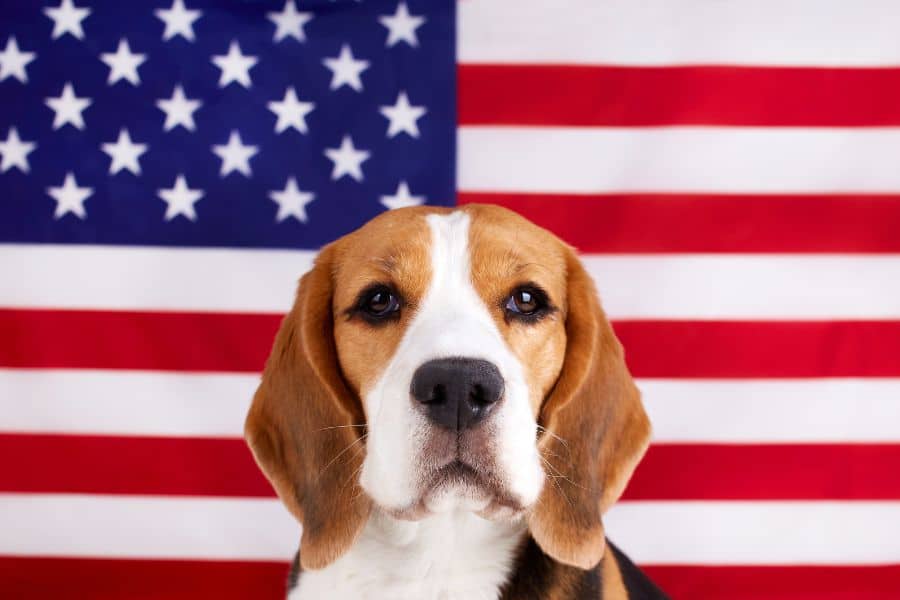
The Fourth of July is a favorite holiday for outdoor fun, family gatherings, live music, parades, and fireworks. Many pet owners wonder whether their dogs or cats should join the celebration. While some pets enjoy new experiences, crowded events often expose them to loud sounds, heat, unfamiliar people, and safety hazards.
This guide explains when taking your pet to a 4th of July outdoor event is appropriate, what risks deserve attention, and how to prepare if you decide to go. It also covers warning signs of stress, practical safety tips, and situations where leaving your pet at home is the safest option.
Should You Bring Your Pet to a 4th of July Outdoor Event?
The answer depends on your pet’s personality, health, and the type of event.
A calm dog that enjoys social settings may handle a small community gathering well. A nervous pet, senior companion, young puppy, or pet with medical concerns may become overwhelmed very quickly. Large festivals, fireworks displays, and crowded parks create unpredictable situations that even well-trained pets may find stressful.
Before deciding, think about your pet instead of your plans. If there is any doubt, staying home is often the safest choice.
Common Risks Pets Face During Independence Day Events
Loud Noises and Fireworks
Fireworks remain one of the biggest concerns during Fourth of July celebrations. Explosions can frighten pets, causing shaking, barking, hiding, pulling on the leash, or attempting to escape. Even fireworks that begin after sunset may leave anxious pets stressed for hours.
Heat and Dehydration
Outdoor celebrations usually involve extended time under the summer sun. Hot pavement can burn paw pads, while high temperatures increase the risk of overheating. Pets need frequent water breaks and shaded areas throughout the day.
Crowds and Unexpected Situations
Busy events introduce bicycles, strollers, children, food vendors, music, and strangers. These distractions may overwhelm pets that normally behave well. A frightened pet can panic or become difficult to control.
Unsafe Foods
Holiday favorites such as barbecue, corn cobs, chocolate desserts, onions, grapes, alcohol, and sugary treats should never become part of your pet’s celebration. Curious pets often grab dropped food before owners notice.
How to Decide if Your Pet Should Come
Ask yourself a few simple questions before leaving home.
- Does your pet stay relaxed around crowds?
- Has your pet handled loud noises before?
- Will fresh water and shade be available?
- Can you leave before the fireworks begin?
- Is your pet comfortable wearing identification tags and a secure leash?
If several answers are no, your pet will likely enjoy the holiday more at home.
Safety Tips for Pets at Outdoor Celebrations
Keep Your Pet Leashed
Always use a sturdy leash attached to a properly fitted harness or collar. Retractable leashes offer less control in crowded spaces.
Pack a Pet Travel Kit
Bring water, a portable bowl, waste bags, treats, medications if needed, and a cooling towel. Familiar items help pets stay comfortable during outings.
Watch for Signs of Stress
Your pet may be telling you they want to leave. Common warning signs include excessive panting, trembling, tucked tail, whining, drooling, pacing, hiding behind you, refusing treats, or trying to pull away.
Avoid Peak Heat
Attend morning events whenever possible. Afternoon temperatures become dangerous quickly during summer celebrations. Walk on grass whenever available to protect sensitive paws.
Leave Before Fireworks Start
Many pets tolerate daytime activities but become frightened once fireworks begin. Head home well before sunset to avoid loud noises and heavy traffic.
When Keeping Your Pet Home Is the Better Choice
Many pets feel safest in familiar surroundings. If your community plans fireworks or a crowded festival, preparing your home may be the best solution.
Close windows and curtains to reduce noise and flashing lights. Leave calming background music or television playing. Provide favorite toys, bedding, fresh water, and a secure room where your pet can relax without interruption.
This simple preparation often creates a far more enjoyable holiday than spending hours at a crowded event.
What to Do if Your Pet Becomes Frightened
Remain calm and avoid punishment. Move your pet away from the source of stress immediately. Offer reassurance using a relaxed voice without forcing interaction. Give your pet access to water and a quiet environment.
If your pet escapes, current identification tags and microchip information greatly improve the chances of a safe reunion.
A Little Planning Creates a Better Holiday
Every pet experiences Independence Day differently. Some enjoy short outdoor adventures, while others prefer staying inside with familiar comforts. Understanding your pet’s personality makes every decision easier. Careful planning helps prevent injuries, reduces anxiety, and allows everyone to enjoy the holiday with fewer worries.
If you notice unusual behavior, overheating, injuries, or ongoing anxiety after the celebration, don’t wait to seek professional guidance. If you’re ready to prepare your pet for a safe holiday or have questions about their health, book an appointment for personalized advice before the festivities begin.
Conclusion
The Fourth of July should create happy memories for every member of the family, including your pets. Choosing activities that match your companion’s comfort level helps prevent unnecessary stress and keeps the celebration enjoyable. Careful planning, close supervision, and simple safety measures make a meaningful difference throughout the holiday. If you’re located in Smithfield, consider reaching out to Willowrun Veterinary Hospital, where compassionate care and a strong commitment to the community come together to support your pet’s health and well-being.
Frequently Asked Questions
1. Is it safe to take my dog to a Fourth of July parade?
It depends on your dog’s personality and the event size. Calm, social dogs may enjoy smaller parades, but loud music, crowds, and heat can quickly become overwhelming. Watch your pet closely and leave if signs of stress appear.
2. Should cats attend outdoor Independence Day celebrations?
Most cats are happier and safer indoors. Crowds, unfamiliar surroundings, and fireworks often cause fear and increase the risk of escape. A quiet room at home provides a much more comfortable environment during holiday festivities.
3. How can I tell if my pet is becoming overheated?
Heavy panting, excessive drooling, bright red gums, weakness, vomiting, or difficulty walking may indicate overheating. Move your pet into shade immediately, offer cool water, and seek professional care if symptoms continue or worsen.
4. What should I pack if I bring my pet to an outdoor event?
Carry fresh water, a portable bowl, waste bags, treats, identification tags, medications if needed, and a leash or harness. A cooling towel and familiar toy can also help your pet stay comfortable during the outing.
5. Can fireworks affect pets even if they are far away?
Yes. Many pets hear fireworks from long distances and become frightened. The loud sounds and vibrations may trigger anxiety, pacing, hiding, or attempts to escape, even when fireworks are not visible nearby.
6. What is the safest option for most pets on the Fourth of July?
For many pets, staying home in a quiet, secure environment remains the safest choice. Familiar surroundings, reduced noise, and close supervision help lower stress while allowing your family to celebrate with greater peace of mind.