New Clients First Exam is just $44!*

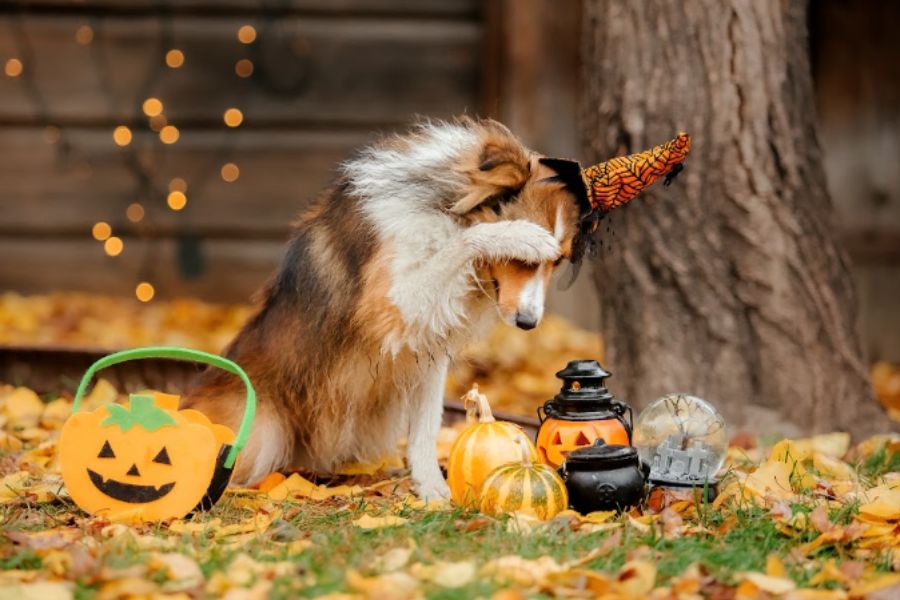
Halloween parties bring costumes, candy bowls, festive drinks, and frequent visitors. For pet owners in Smithfield and nearby North Carolina communities, these celebrations can introduce unexpected dangers. A dog might grab chocolate from a table, a cat could investigate an unattended drink, or a frightened pet may escape through an open door.
Understanding these risks helps families celebrate while protecting their pets from poisoning, injuries, and stressful situations.
Which Halloween Party Foods Are Dangerous for Pets?
Party snacks often contain ingredients that dogs and cats cannot safely consume. Even small amounts of certain foods can cause serious health problems.
Common food hazards include:
- Chocolate: Contains theobromine and caffeine, which may cause vomiting, tremors, abnormal heart rhythms, or seizures.
- Xylitol: This sweetener, also called birch sugar, can cause dangerously low blood sugar and liver injury in dogs.
- Grapes and raisins: May cause acute kidney injury in dogs, sometimes after small exposures.
- Onions and garlic: Can damage red blood cells and cause anemia in dogs and cats.
- Candy wrappers: May cause choking or intestinal blockages if swallowed.
The amount consumed, ingredient concentration, and pet’s size can influence the severity of poisoning.
Keep Halloween candy and party foods in closed containers and out of reach of curious animals.
Can Halloween Party Drinks Harm Dogs and Cats?
Unattended beverages present another concern during celebrations.
Alcoholic drinks can cause vomiting, poor coordination, low body temperature, breathing problems, and potentially life-threatening poisoning.
Coffee-based cocktails and energy drinks may contain caffeine, which can affect the heart and nervous system.
Some sugar-free beverages contain xylitol, creating an additional poisoning concern for dogs.
Never allow pets to sample alcoholic beverages, even in small amounts. Dispose of unfinished drinks promptly and clean spills before animals can investigate.
Why Are Open Doors Dangerous During Halloween Parties?
Frequent arrivals and departures increase the risk of pets escaping.
A frightened dog may run outside when guests enter. Cats can slip through narrow openings unnoticed.
Halloween costumes, unfamiliar voices, and crowded entryways may increase anxiety and unpredictable behavior.
Escaped pets face several dangers:
- Vehicle collisions
- Falls or injuries while running
- Encounters with unfamiliar animals
- Becoming lost in unfamiliar surroundings
Before guests arrive, place pets in a secure, comfortable room away from the entrance. Confirm that identification tags and microchip contact information are current.
What Should You Do if Your Pet Eats Something Dangerous?
Act quickly if you suspect your pet swallowed something toxic.
Remove access to the food or drink and identify what was consumed. Save the packaging when possible.
Watch for vomiting, diarrhea, trembling, weakness, or unusual behavior. However, some toxins cause symptoms to appear later.
Call our animal hospital now if your pet consumes chocolate, xylitol, grapes, alcohol, or another potentially dangerous substance.
Do not induce vomiting or administer home remedies unless a veterinarian instructs you to.
Seizures, collapse, severe weakness, or breathing difficulties require emergency veterinary attention.
How Can You Make Halloween Parties Safer for Pets?
Preparing your home before visitors arrive can prevent many common accidents.
Consider these precautions:
- Keep candy bowls above your pet’s reach.
- Ask guests not to share food or drinks with animals.
- Use covered trash containers for wrappers and leftovers.
- Create a quiet room with familiar bedding and water.
- Secure exterior doors, gates, and windows.
- Check on pets regularly without forcing social interaction.
For animals with significant anxiety, discuss preventive strategies with your veterinarian before hosting a party.
When Should Your Pet See a Vet?
A brief startle response that resolves quickly may only require observation. Persistent vomiting, appetite changes, unusual lethargy, or anxiety that continues after visitors leave warrants veterinary evaluation.
Known exposure to toxic foods or alcohol requires immediate veterinary advice, even without symptoms.
Severe injuries, breathing difficulties, seizures, or collapse require emergency treatment.
Veterinarians may recommend examination, laboratory testing, supportive treatment, or monitoring depending on the suspected exposure and clinical findings.
Protect Your Pet Before the Party Begins
A safe Halloween celebration starts with preventing access to dangerous foods, securing entrances, and recognizing early warning signs. Willowrun Veterinary Hospital supports families in Smithfield and surrounding Johnston County communities with preventive guidance, veterinary examinations, and urgent care for pet injuries.
The hospital offers same-day appointments for non-life-threatening concerns and emergency support during regular business hours. Serious poisoning or life-threatening symptoms may require immediate emergency treatment.
Call our hospital at +1-919-934-1504 to discuss seasonal safety concerns or arrange a veterinary visit. Contact the hospital before arriving for urgent care. For after-hours emergencies, seek a 24-hour veterinary emergency facility.
Frequently Asked Questions(FAQs):
1. Can a Small Amount of Halloween Chocolate Poison My Dog?
A: Yes. Chocolate toxicity depends on the type, quantity, and dog’s weight. Dark chocolate and baking chocolate contain higher concentrations of toxic compounds. Willowrun Veterinary Hospital can help assess suspected chocolate ingestion and recommend appropriate next steps.
2. What Should I Do if My Pet Drinks Alcohol at a Halloween Party?
A: Remove the beverage immediately and contact a veterinarian. Alcohol poisoning can develop rapidly, particularly in smaller animals. Willowrun Veterinary Hospital can evaluate concerning exposures and advise whether immediate emergency treatment is necessary.
3. How Can I Prevent My Dog From Escaping During Trick-or-Treating?
A: Keep your dog in a secure room away from doors that are frequently opened. Use identification tags and maintain current microchip information. A baby gate may provide extra protection, but it shouldn’t replace a securely closed door.
4. When Should I Take My Pet to a Veterinarian After Eating Candy?
A: Contact a veterinarian immediately if the candy contains chocolate, xylitol, or other toxic ingredients. Willowrun Veterinary Hospital can help evaluate possible poisoning and discuss treatment options. Do not wait for symptoms to appear.
5. Can Halloween Party Stress Cause Vomiting in Dogs?
A: Stress may contribute to digestive upset, but vomiting can also indicate poisoning or another medical condition. Persistent vomiting, weakness, or suspected toxin exposure requires veterinary attention rather than assuming anxiety is responsible.
6. Are Puppies and Kittens More Vulnerable to Halloween Party Hazards?
A: Young animals may investigate unfamiliar objects by chewing or swallowing them. Their smaller size can also increase the risk of certain exposures. Willowrun Veterinary Hospital can provide preventive guidance and evaluate injuries or suspected poisoning in young pets.