New Clients First Exam is just $44!*

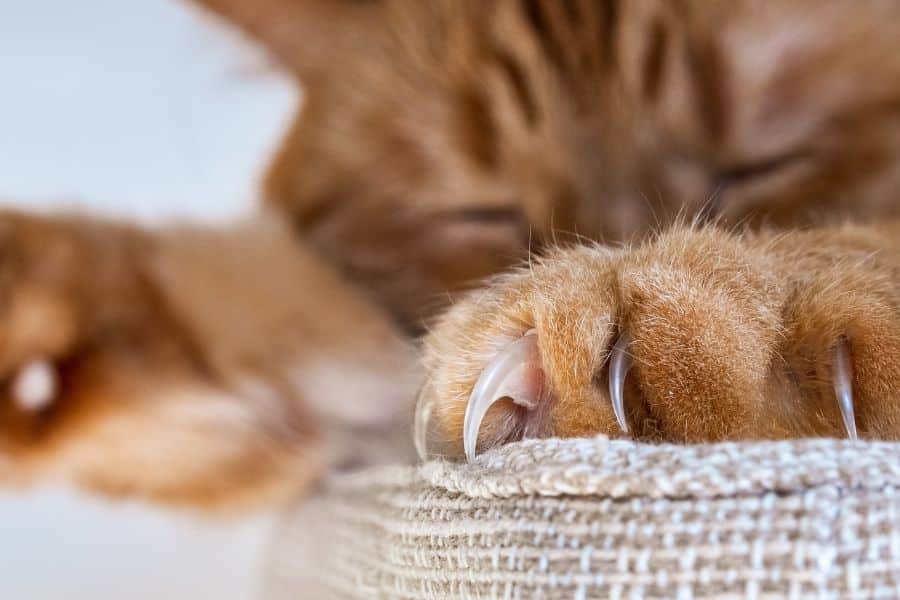
If you share your home with a cat, scratched furniture can feel like an ongoing battle. One day, your couch looks perfect, and the next, it’s covered in claw marks. While it may seem frustrating, scratching is not bad behavior. It is a natural and necessary part of your cat’s life.
This guide takes a clear and honest approach to help you understand why cats scratch furniture and how to stop cats from scratching furniture in a way that works for both you and your pet. With the right setup and habits, you can protect your home without stressing your cat.
Why Do Cats Scratch Furniture?
Before solving the issue, it helps to understand what drives it. Cats are not trying to damage your belongings. Scratching serves several important purposes.
1. Claw Maintenance
Scratching helps cats remove the outer layer of their claws. This keeps their claws sharp and healthy.
2. Territory Marking
Cats have scent glands in their paws. When they scratch, they leave both a visual mark and a scent signal. This helps them feel secure in their environment.
3. Stretching and Exercise
Scratching allows cats to stretch their muscles, especially in their shoulders and back. It acts like a full-body workout.
4. Stress Relief
Cats may scratch more when they feel anxious or bored. Changes in the home, new pets, or lack of stimulation can increase scratching behavior.
5. Preference for Texture
Furniture often has textures cats love, such as soft fabric or wood. These materials feel satisfying under their claws.
Understanding these reasons makes it easier to address the behavior without punishment or confusion.
How Do I Stop Cat Scratching Furniture?
If you are asking, “How do I stop cat scratching furniture?” the answer lies in redirection, not restriction. You cannot stop a cat from scratching, but you can guide where it happens.
How to Stop Cats from Scratching Furniture
Here are practical, effective steps that help you manage scratching while keeping your cat comfortable.
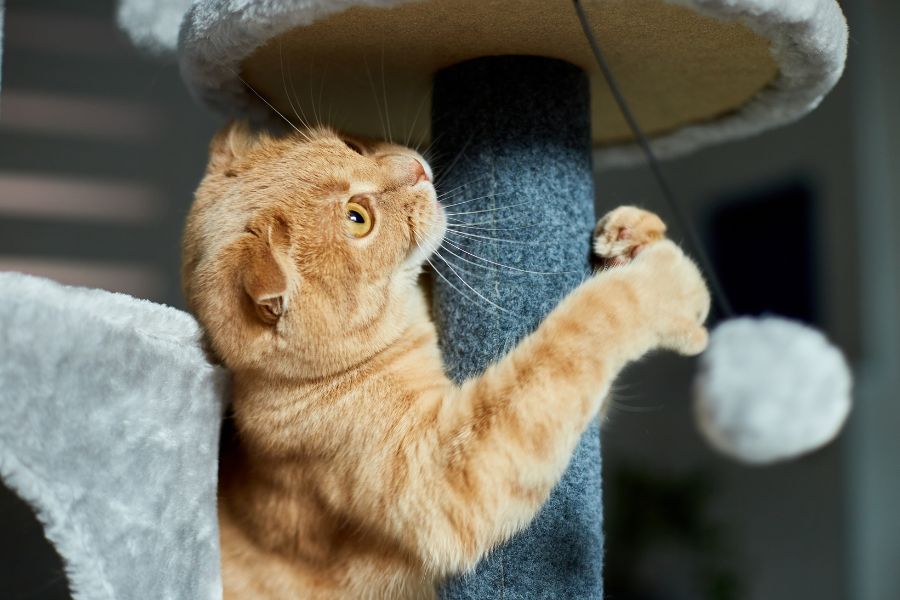
1. Provide Better Scratching Options
Your cat needs an appealing alternative. A basic scratching post is not always enough.
What works best:
- Tall posts that allow full stretching
- Sturdy bases that do not wobble
- Materials like sisal rope, cardboard, or wood
- Multiple scratching areas around your home
Place scratching posts near areas your cat already uses, such as next to the couch or near sleeping spots.
2. Make Furniture Less Appealing
Cats often return to familiar scratching spots. Changing the texture or feel can discourage this behavior.
Simple solutions:
- Use double-sided tape on problem areas
- Add furniture covers or slipcovers
- Place aluminum foil or plastic sheets temporarily
These changes are safe and help your cat lose interest over time.
3. Reward Positive Behavior
Cats respond well to positive reinforcement.
- Offer treats when your cat uses a scratching post
- Use a calm voice to encourage good behavior
- Play near scratching posts to create positive associations
Consistency helps your cat learn faster.
4. Trim Your Cat’s Nails Regularly
Keeping nails trimmed reduces damage and makes scratching less destructive.
- Trim every 2–3 weeks
- Use proper cat nail clippers
- Stay calm and gentle during the process
If you are unsure how to trim safely, your veterinarian can guide you.
5. Use Cat-Friendly Deterrents
Some scents and textures can keep cats away from furniture.
- Citrus sprays (cats often dislike citrus smells)
- Commercial pet-safe deterrent sprays
- Soft barriers like blankets
Avoid harsh chemicals or anything that may harm your pet.
6. Enrich Your Cat’s Environment
Bored cats scratch more. Keeping your cat mentally and physically engaged can reduce unwanted behavior.
Try adding:
- Interactive toys
- Climbing trees or shelves
- Window perches
- Daily play sessions
A stimulated cat is less likely to focus on furniture.
7. Understand Emotional Triggers
If scratching increases suddenly, there may be an underlying issue.
- New pets or people in the home
- Changes in routine
- Lack of safe spaces
Addressing these factors can reduce stress-related scratching.
Common Mistakes to Avoid
Even well-meaning pet owners can make choices that worsen the issue.
1. Punishing Your Cat
Punishment creates fear and confusion. It does not teach your cat what to do instead.
2. Removing Scratching Options
Taking away scratching posts leaves your cat with no alternative, making furniture more attractive.
3. Declawing
Declawing is a surgical procedure that can lead to pain and behavioral issues. It is not a recommended solution.
4. Inconsistent Training
Switching strategies often can confuse your cat. Stick with a clear plan.
Building Long-Term Habits
Stopping unwanted scratching takes time and consistency. Focus on building habits that last.
- Keep scratching posts clean and stable
- Rotate toys to maintain interest
- Observe your cat’s preferences and adjust setups
- Reinforce good behavior regularly
Small changes over time create lasting results.
When to Seek Veterinary Advice
Sometimes scratching can be linked to health or behavioral concerns.
Contact your veterinarian if:
- Scratching becomes excessive or aggressive
- Your cat shows signs of anxiety or stress
- There are sudden changes in behavior
- You notice skin issues or paw injuries
A professional can help rule out medical causes and suggest tailored solutions.
If you notice unusual behavior patterns, it may be helpful to visit our website to learn more about when professional guidance or veterinary care may be needed.
Conclusion: A Balanced Approach That Works
Winning the scratching battle does not mean stopping your cat from being a cat. It means guiding natural behavior in a way that protects your home and supports your pet’s well-being.
By understanding why cats scratch furniture and applying consistent, practical solutions, you create a space that works for both of you. Focus on redirection, positive reinforcement, and a well-designed environment.
If you are still struggling with how to stop cats from scratching furniture, or if behavior changes raise concerns, professional guidance can make a difference. Book an appointment with your veterinary team to get personalized advice and ensure your cat stays healthy, comfortable, and happy.
Frequently Asked Questions(FAQs):
1. How do I stop my cat from scratching furniture permanently?
A: You cannot stop scratching completely, but you can redirect it. Provide appealing alternatives, use deterrents, and reward positive behavior consistently.
2. What type of scratching post is best?
A: Cats prefer tall, sturdy posts with rough textures like sisal. Some cats also enjoy flat cardboard scratchers.
3. Do cats grow out of scratching furniture?
A: No, scratching is a lifelong behavior. Proper training and setup are the best ways to manage it.
4. Are nail caps safe for cats?
A: Yes, soft nail caps can reduce damage. They should be applied correctly and replaced regularly.
5. Why does my cat scratch more at night?
A: Cats are more active during early morning and evening hours. Increased energy can lead to more scratching.
6. Can stress cause more scratching?
A: Yes, stress often increases scratching behavior. Identifying and reducing stressors can help.