New Clients First Exam is just $44!*

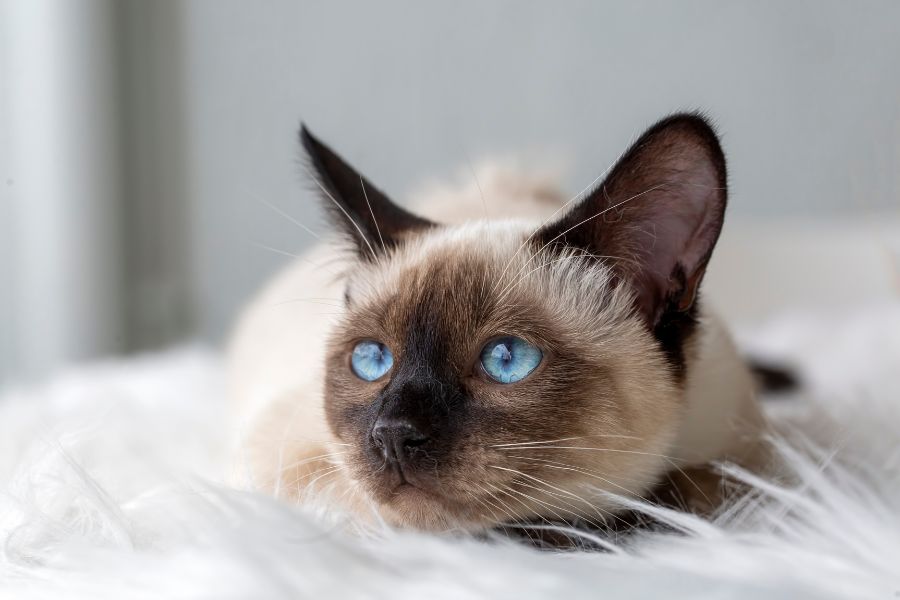
Living with cat allergies does not always mean giving up on the idea of having a feline companion. Some cats produce fewer allergens or shed less, which can reduce reactions and make daily life more comfortable. This guide explains what makes a cat hypoallergenic, highlights breeds that may suit sensitive households, and shares practical ways to manage symptoms at home.
For pet owners exploring low-shedding cat breeds, understanding both breed traits and care habits can make a meaningful difference. If you’re planning to adopt in Smithfield, knowing your options helps you choose wisely.
What Does “Hypoallergenic” Really Mean?
A hypoallergenic cat does not mean allergy-free. Most allergic reactions come from a protein called Fel d 1 found in saliva, skin oils, and dander. When cats groom themselves, this protein spreads to their fur and into the air.
Some breeds naturally produce less of this protein or shed less hair. Reduced shedding limits how far allergens spread inside your home. Individual sensitivity still varies. Spending time with a breed before adoption can help you understand your reaction level.
Why Some Cats Are Better for Allergy Sufferers
Several factors influence how a cat affects allergies:
- Coat type and length
- Grooming habits
- Amount of dander produced
- Environment and cleaning routines
Shorter coats or minimal shedding often mean fewer allergens circulating indoors. Regular grooming and maintaining a clean home also play a major role in reducing exposure.
Best Hypoallergenic Cat Breeds to Consider
1. Siberian
Despite having a thick coat, the Siberian often produces lower levels of Fel d 1. Many allergy sufferers report fewer reactions around this breed. Their calm personality and affectionate nature make them suitable for families.
2. Balinese
Known as the “long-haired Siamese,” the Balinese has a silky coat that sheds less than expected. This breed produces fewer allergenic proteins compared to many others. They are vocal, social, and enjoy interaction.
3. Bengal
Bengals have a short, dense coat that requires minimal grooming. Less shedding helps limit dander spread. Their energetic personality suits active households that can provide stimulation and playtime.
4. Russian Blue
The Russian Blue has a plush double coat that traps dander close to the skin rather than releasing it into the air. They are quiet, gentle, and often bond closely with one or two people.
5. Devon Rex
This breed has a soft, curly coat with minimal hair. Less fur means fewer places for allergens to cling. Devon Rex cats are playful and enjoy human interaction, making them engaging companions.
6. Cornish Rex
Similar to the Devon Rex, the Cornish Rex has very short, wavy fur. Their unique coat structure leads to less shedding. They are active and thrive in environments where they receive attention and enrichment.
7. Sphynx
The Sphynx is nearly hairless, which significantly reduces shedding. However, they still produce skin oils that require regular cleaning. Frequent bathing helps control allergen buildup.
Tips to Reduce Allergies at Home
Even with a hypoallergenic breed, managing your environment matters. Consider these practical steps:
- Use air purifiers to reduce airborne allergens
- Vacuum frequently with a HEPA filter
- Wash bedding and fabrics regularly
- Keep cats out of bedrooms if allergies are severe
- Groom your cat consistently
Maintaining a clean indoor space can significantly improve comfort for allergy-prone individuals.
Finding the Right Fit for Your Home
Choosing a cat involves more than allergy considerations. Lifestyle, activity level, and grooming needs should align with your daily routine. Spending time with a breed before adoption offers valuable insight into compatibility.
Local adoption centers and breeders often allow short visits. These interactions help you evaluate how your body responds and whether the cat’s temperament suits your household.
Common Misconceptions About Hypoallergenic Cats
Many people believe certain breeds are completely allergy-proof. This is not accurate. Every cat produces allergens to some extent. The goal is reduction, not elimination.
Another misconception is that hairless cats require less maintenance. In reality, they need regular bathing to remove skin oils and prevent buildup.
Understanding these facts helps set realistic expectations and improve long-term satisfaction with your pet.
Veterinary Guidance and Support
Regular health checkups ensure your cat stays healthy and clean, which indirectly helps manage allergens. Skin health, diet, and grooming routines all influence dander production.
If you’re located in Smithfield and looking for trusted veterinary care near you, consider connecting with Willowrun Veterinary Hospital to learn more about overall pet wellness services by visiting their homepage and exploring available care options.
Conclusion
Choosing the right cat can make living with allergies much easier. Understanding breed traits, maintaining a clean environment, and following consistent care routines all contribute to a better experience. Exploring low-shedding cat breeds offers a practical starting point for allergy-conscious pet owners.
Thoughtful planning leads to a more comfortable and rewarding relationship with your cat. We are conveniently located in Smithfield, NC. Reach out to our facility at 1417 S Brightleaf Blvd, Smithfield, NC 27577 – where compassionate care and community come together for your pet’s well-being.
FAQs About Hypoallergenic Cats
1. Are hypoallergenic cats completely allergy-free?
A: No, hypoallergenic cats still produce allergens. They typically produce less or shed less, which reduces reactions. Individual sensitivity varies, so spending time with a cat before adoption is important for understanding personal tolerance.
2. Which cat breed is best for severe allergies?
A: There is no universal answer. Breeds like Siberian, Russian Blue, and Sphynx may work better for some individuals. Personal exposure tests and consultations help determine the most suitable option for your condition.
3. Do short-haired cats always cause fewer allergies?
A: Not always. Allergies are linked to proteins in dander and saliva, not just hair length. Some short-haired cats may still trigger reactions depending on how much allergen they produce and spread.
4. How can I reduce allergens in my home?
A: Regular cleaning, air purifiers, and grooming routines help control allergens. Washing fabrics and limiting access to certain rooms also reduces exposure, making living with a cat more manageable for allergy sufferers.
5. Is grooming important for hypoallergenic cats?
A: Yes, grooming helps remove loose hair and dander. Even low-shedding breeds benefit from regular brushing or cleaning routines. Consistent grooming reduces allergen buildup and improves overall coat and skin health.
6. Can diet affect allergen production in cats?
A: Diet plays a role in skin health and coat condition. A balanced diet supports reduced shedding and healthier skin, which may help lower allergen spread. Consult a veterinarian for tailored nutritional recommendations.