New Clients First Exam is just $44!*

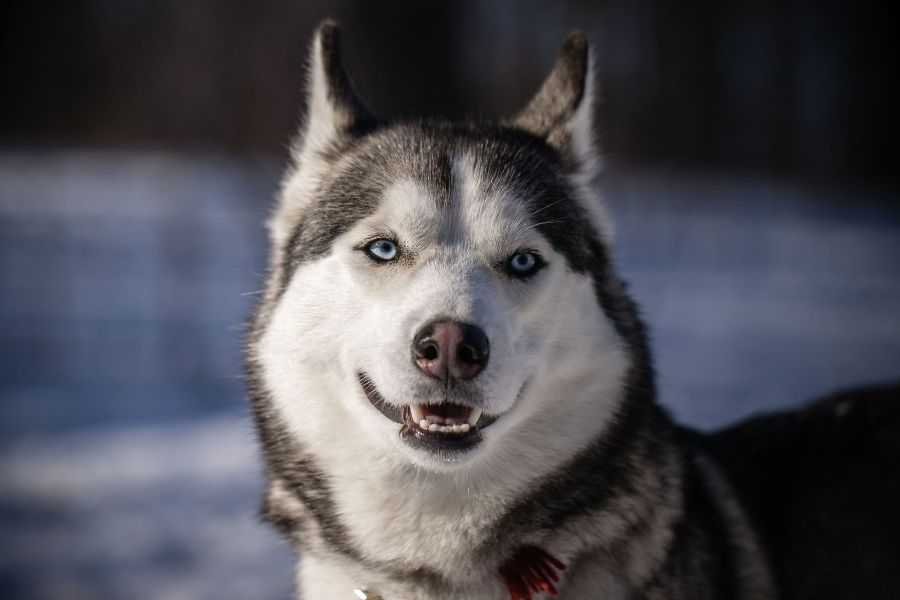
If you share your home with a Siberian Husky, you already know that these dogs bring a lot of energy, personality, and adventure into everyday life. They are athletic, curious, social, and often determined to do things their own way.
But how long can you expect your Husky to be part of your family?
The typical Siberian Husky lifespan is around 12 to 14 years, although some dogs live shorter lives and others reach their mid-teens. The American Kennel Club lists a life expectancy of up to 14 years, while other breed references commonly place the average around 11 to 13 or 12 to 14 years.
That range is useful, but it does not tell the whole story. A lifespan number is an average, not a promise. Genetics, body condition, nutrition, exercise, preventive care, environment, and the ability to identify health problems early can all affect how a Husky ages.
So, what should Husky owners actually know about these numbers?
What Is the Average Husky Lifespan?
A healthy Siberian Husky commonly lives about 12 to 14 years.
For perspective, the American Kennel Club notes that medium-sized dog breeds generally have average lifespans of about 10 to 13 years, although individual breeds can fall outside that range. Siberian Huskies are a medium-sized working breed, and their expected lifespan compares favorably with many larger dogs.
Here is a simple way to look at the numbers:
- Under 10 years: Shorter than the expected range for many Huskies
- 10–11 years: Older adult
- 12–14 years: Common expected lifespan range
- 15+ years: Exceptional longevity for the breed
These figures should not be used to predict exactly how long one particular dog will live. Two Huskies from the same litter can have very different health histories and lifespans.
Why Do Lifespan Estimates Differ?
You may see one source say 11 to 13 years and another say 12 to 14 years. That does not automatically mean one source is wrong.
Breed lifespan statistics can vary because researchers and organizations may use different populations, sample sizes, definitions, and data sources. Some statistics represent general breed expectations, while others come from clinical records or owner-reported information.
The safest takeaway is to think of 12 to 14 years as a practical planning range rather than a fixed expiration date.
How a Husky’s Age Changes Over Time
A Husky does not age at the same rate throughout its life. Puppyhood, adulthood, and the senior years each come with different needs.
Puppy: Birth to About 1 Year
The first year is a period of rapid physical and behavioral development.
Husky puppies need appropriate nutrition, vaccinations, parasite prevention, training, socialization, and plenty of opportunities to learn. Their bodies are still developing, so exercise should be age-appropriate rather than focused on pushing endurance.
This is also when owners can establish habits that may influence health for years. Teaching a Husky to accept handling, grooming, tooth brushing, nail trims, car rides, and routine examinations can make future care much easier.
Young Adult: About 1 to 4 Years
This is often the high-energy stage.
Your Husky may seem almost tireless. Daily physical activity is important, but mental stimulation matters just as much. Puzzle toys, training sessions, scent games, structured walks, and safe activities can help prevent boredom.
A bored Husky can become remarkably creative. Digging, escaping, chewing, and finding ways around barriers are common challenges for a breed known for its independence and endurance.
Maintaining a healthy body condition during these years is especially important. A thick coat can make it difficult to judge a Husky’s weight just by looking. VCA recommends using your hands to assess body condition beneath the coat.
Mature Adult: About 5 to 8 Years
Your Husky may still act young, but subtle changes can begin to appear.
You might notice that your dog needs more recovery time after strenuous activity or sleeps a little more than before. Some dogs also gain weight more easily as their activity level changes.
This is a good stage to pay attention to small changes instead of assuming they are simply part of getting older.
Has your Husky stopped jumping into the car? Is your dog reluctant to climb stairs? Are walks becoming shorter? Has appetite changed?
Small changes can provide useful clues about your dog’s health.
Senior Years: Around 9 Years and Beyond
A Husky reaching 9 or 10 years is entering an age when closer observation becomes increasingly important.
Senior dogs can develop age-related problems involving their joints, eyes, teeth, heart, kidneys, and other body systems. Not every older Husky will experience these problems, but regular health monitoring becomes more valuable as your dog ages.
A 12-year-old Husky is not necessarily at the end of its life. Some dogs remain active and comfortable well into their teens.
What Health Problems Can Affect a Husky’s Lifespan?
Siberian Huskies are generally considered a relatively healthy breed, but they are not free from inherited or age-related conditions. The Siberian Husky Club of America identifies hip dysplasia and inherited eye disease as important areas of concern for the breed.
Eye Problems
Eye health deserves particular attention in Huskies.
The Siberian Husky Club of America recommends eye examinations for breeding dogs and highlights the importance of screening for inherited eye conditions.
For owners, the practical lesson is simple: changes in vision should not be dismissed as a normal part of aging.
Cloudiness, bumping into objects, reluctance to move in unfamiliar areas, changes in pupil appearance, or difficulty navigating at night deserve attention.
Hip Dysplasia
Hip dysplasia occurs when the hip joint develops abnormally and can contribute to pain, stiffness, and mobility problems.
The condition does not affect every Husky, but it is one reason responsible breeding programs place importance on hip screening. The Siberian Husky Club of America recommends recognized hip evaluations as part of its health-testing guidelines.
For an individual dog, maintaining a healthy weight can also help reduce unnecessary stress on the joints.
Inherited Neurologic Conditions
The breed also has identified inherited conditions that responsible breeders work to screen for.
For example, Siberian Husky Polyneuropathy Type 1, or SHPN1, is a genetic disorder that can affect movement and muscle function. The severity varies, and affected dogs can experience significantly different outcomes.
This is one reason genetic testing and thoughtful breeding decisions matter when choosing a puppy.
6 Factors That Can Influence Husky Longevity
A Husky’s genes are only one part of the picture. Owners also control many everyday factors.
1. Genetics
Genetics can influence susceptibility to inherited disease, body structure, and overall health.
If you are getting a puppy from a breeder, ask about health testing of the parents. The Siberian Husky Club of America currently recommends eye examinations, hip evaluations, and genetic testing for certain breed-specific conditions as part of its ethical breeding guidelines.
Health testing cannot guarantee that a puppy will never become sick. It can, however, provide useful information for making responsible breeding decisions.
2. Healthy Body Weight
Extra weight places additional stress on joints and can make exercise harder.
Huskies are active dogs, but activity levels can change with age. Feeding portions should be adjusted when necessary rather than continuing the same routine throughout life.
Because of their thick double coat, visual assessment alone can be misleading. Regularly check your dog’s body condition by feel and discuss any unexplained weight change during routine health visits.
3. Daily Exercise
Huskies were developed for endurance and work. Their bodies and minds are built for activity.
VCA notes that Siberian Huskies need daily exercise and can become destructive or overly active when they do not receive enough physical and mental stimulation.
That does not mean every Husky needs hours of intense exercise every day. The right amount depends on age, fitness, health, weather, and individual temperament.
In hot climates, owners also need to be careful. Huskies are adapted to cold conditions and can overheat more easily in warm weather.
4. Nutrition
Good nutrition supports healthy muscle, bones, skin, immune function, and energy levels.
A Husky’s diet should match its age, activity level, body condition, and individual needs. Puppies, adults, pregnant dogs, highly active dogs, and seniors may not all have the same nutritional requirements.
Avoid assuming that a larger serving is better simply because your dog is active. Calories should support a healthy body condition rather than excessive weight.
5. Preventive Health Care
Routine health checks are not only for sick dogs.
Regular preventive care gives owners an opportunity to monitor weight, teeth, eyes, joints, heart and lung function, skin, and other aspects of health over time.
It also creates a baseline. If your Husky’s weight, mobility, or bloodwork changes later, having previous records can make those changes easier to recognize.
6. Early Attention to Changes
One of the most useful things an owner can do is know what is normal for their individual Husky.
A change in appetite may matter.
A new cough may matter.
A sudden change in energy may matter.
So can increased thirst, repeated vomiting, persistent diarrhea, unexplained weight loss, changes in urination, difficulty walking, or unusual behavior.
You do not need to diagnose the problem yourself. The important part is recognizing when your dog’s normal pattern has changed.
Does a Longer Lifespan Mean a Healthier Husky?
Not necessarily.
A dog can live to 14 or 15 while dealing with chronic health problems during its later years. Another dog may have a shorter lifespan but remain comfortable and active for most of its life.
That is why quality of life matters as much as the number of years.
Ask yourself:
- Is my Husky eating normally?
- Can my dog move comfortably?
- Does my dog still enjoy favorite activities?
- Is sleep restful?
- Is my dog interacting normally with family members?
- Are there more bad days than good days?
- Has my dog’s behavior changed?
These questions can help you notice meaningful changes as your dog gets older.
Can You Help Your Husky Live Longer?
You cannot control every factor that determines lifespan. Genetics and unexpected illness are real parts of owning a dog.
You can control many of the basics.
Keep your Husky at a healthy weight. Provide regular exercise without ignoring weather or physical limitations. Feed an appropriate diet. Keep teeth and ears clean. Stay current with routine preventive care. Follow recommended screening schedules. Provide mental stimulation. And pay attention when something seems different.
Perhaps most importantly, do not wait for a serious problem before becoming familiar with your dog’s normal habits.
A Husky that has always been energetic gives you a useful baseline. If that same dog suddenly stops wanting to go outside, sleeps much more, or struggles with an activity it previously enjoyed, the change deserves attention.
Husky Lifespan: What Owners Should Remember
The average Husky lifespan is roughly 12 to 14 years, but the number on a breed chart is only a starting point. Some Huskies live shorter lives, while others reach 15 years or beyond.
The goal should not be to make your dog reach a particular birthday. The better goal is to support good health and a good quality of life throughout every stage.
Think of your Husky’s lifespan as a series of opportunities: healthy growth during puppyhood, appropriate exercise during adulthood, careful weight management throughout life, regular health monitoring, and extra attention during the senior years.
If you know your dog’s normal behavior, keep track of meaningful changes, and stay proactive about routine care, you are in a much better position to recognize problems early and make informed decisions.
After all, those extra years are valuable, but healthy and comfortable years are what matter most.
Frequently Asked Questions About Husky Lifespan
1. How long do Siberian Huskies usually live?
Siberian Huskies generally live about 12 to 14 years. Individual lifespan varies based on genetics, health, nutrition, body condition, lifestyle, and other factors. The AKC lists a life expectancy of up to 14 years.
2. Is 10 years old considered old for a Husky?
A 10-year-old Husky is generally considered a senior or older adult. However, being 10 does not automatically mean a dog is frail. Many Huskies remain active and comfortable during their senior years when their changing needs are properly managed.
3. Can a Husky live to 15 years?
Yes. Fifteen years is possible, although it is beyond the commonly cited 12-to-14-year lifespan range. A Husky’s ability to reach an advanced age depends on many individual factors, including genetics and overall health.
4. What health problems are common in Huskies?
Health concerns associated with Siberian Huskies include inherited eye conditions and hip dysplasia. The breed also has identified genetic disorders such as Siberian Husky Polyneuropathy Type 1. Responsible breeding programs use health screening and genetic testing to help identify relevant risks.
5. What can I do to help my Husky live a longer, healthier life?
Focus on the basics: maintain a healthy body weight, provide appropriate daily exercise, feed a balanced diet, keep up with routine preventive care, monitor dental and eye health, and pay attention to changes in behavior or physical ability. Early recognition of health changes can help you address problems before they become more serious.