New Clients First Exam is just $44!*

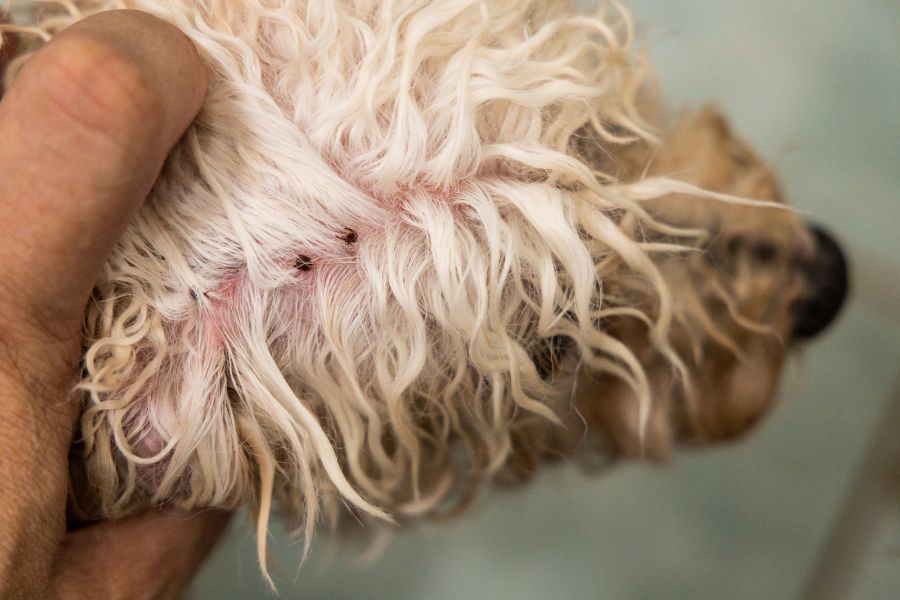
Fleas are more than just a nuisance. They cause constant itching, skin infections, and can even spread diseases. If your dog is scratching more than usual, biting at their skin, or losing patches of fur, fleas may be the cause.
This guide walks you through what to do if your dog has fleas, the most effective treatments available, and how to stop an infestation before it spreads throughout your home.
Why Fleas Are a Serious Problem for Dogs
Fleas feed on your dog’s blood. A single flea can multiply quickly, turning a small issue into a full infestation in days. Left untreated, fleas can lead to:
- Skin irritation and allergic reactions
- Hair loss and hot spots
- Tapeworm infections
- Anemia in severe cases, especially in puppies
Understanding the urgency helps you act fast and choose the right treatment.
What to Do If Your Dog Has Fleas
When you first notice fleas, quick action makes a big difference. Here’s a clear plan to follow:
Step 1: Confirm the Presence of Fleas
Look for:
- Tiny black or brown insects moving in the fur
- “Flea dirt” (black specks that turn red when wet)
- Excessive scratching or licking
Use a flea comb, especially around the neck, tail base, and belly.
Step 2: Start Immediate Treatment
Don’t wait. Begin treatment the same day using one of the remedies below.
Step 3: Treat Your Home
Fleas don’t live only on your dog. Eggs, larvae, and pupae hide in carpets, bedding, and furniture.
Step 4: Continue Prevention
Even after fleas are gone, prevention is key. Most infestations return because treatment stops too soon.
Top Flea Treatments That Actually Work
Not all flea remedies are equal. Some offer quick relief, while others provide long-term protection. The best approach often combines both.
1. Oral Flea Medications (Fast and Effective)
Oral treatments are one of the most reliable ways to kill fleas quickly.
How they work:
Your dog takes a chewable tablet. When fleas bite, they ingest the medication and die.
Benefits:
- Starts killing fleas within hours
- Easy to administer
- No mess or residue
Best for: Dogs with heavy infestations or sensitive skin.
2. Topical Spot-On Treatments
These are applied directly to your dog’s skin, usually between the shoulder blades.
How they work:
The medication spreads through natural oils on the skin and kills fleas on contact.
Benefits:
- Long-lasting (often 30 days)
- Kills fleas at different life stages
- Water-resistant options available
Best for: Monthly prevention and moderate infestations.
3. Flea Shampoos (Immediate Relief)
Flea shampoos are helpful when your dog is visibly covered in fleas.
How they work:
They kill fleas on contact during bathing.
Benefits:
- Instant reduction of fleas
- Soothes irritated skin
- Easy to use at home
Limitations:
- Short-term solution
- Needs follow-up treatment
Best for: Initial cleanup before using longer-lasting products.
4. Flea Collars (Long-Term Protection)
Modern flea collars have improved a lot in recent years.
How they work:
They release active ingredients slowly over time.
Benefits:
- Up to 6–8 months of protection
- Convenient and low maintenance
Best for: Prevention after clearing an infestation.
5. Natural Remedies (Use with Caution)
Some pet owners prefer natural options. While they can help, they are rarely strong enough alone.
Common options:
- Apple cider vinegar sprays
- Coconut oil for skin soothing
- Diatomaceous earth for home use
Reality check:
Natural remedies may reduce fleas, but usually won’t eliminate a full infestation.
Treating Your Home: The Step Most People Miss
If you skip this step, fleas will come back.
1. Clean Thoroughly
- Vacuum carpets, rugs, and furniture daily
- Wash all bedding in hot water
- Empty vacuum bags immediately
2. Use Home Treatments
- Flea sprays or foggers for severe infestations
- Focus on cracks, corners, and hidden areas
3. Repeat the Process
Flea eggs hatch in cycles. Continue cleaning for at least 2–3 weeks.
Preventing Fleas in the Future
Once you’ve handled what to do if your dog has fleas, the next step is prevention.
1. Monthly Preventatives
Use vet-recommended products consistently. Skipping even one month can restart the cycle.
2. Regular Grooming
Brushing your dog helps detect fleas early.
3. Maintain a Clean Environment
Keep your home and yard clean to reduce flea habitats.
4. Routine Vet Care
Your veterinarian can recommend the best prevention plan based on your dog’s lifestyle. For ongoing parasite protection and guidance, you can visit our website to learn more about safe and effective options.
Signs Your Flea Treatment Is Working
You should notice improvements within a few days:
- Reduced scratching
- Fewer visible fleas
- Healthier skin
If symptoms persist after a week, consult your veterinarian. Some cases need stronger professional treatment.
Common Mistakes to Avoid
Many flea problems continue because of simple mistakes:
- Stopping treatment too early
- Not treating the home
- Using outdated or ineffective products
- Skipping preventive care
Avoiding these errors will save time, money, and discomfort for your dog.
When to See a Veterinarian
You should seek professional help if:
- Your dog has severe skin irritation or open wounds
- Fleas keep returning despite treatment
- Your dog shows signs of anemia (weakness, pale gums)
- Puppies or senior dogs are affected
A veterinarian can tailor treatment and rule out other skin conditions.
Ready to Protect Your Dog?
Don’t wait until fleas become a bigger problem. Start treatment today, stay consistent with prevention, and give your dog the comfort they deserve.
Final Thoughts: Take Control of Fleas Early
Fleas can feel overwhelming, but they are manageable with the right approach. The key is to act quickly, use proven treatments, and stay consistent with prevention.
If you remember one thing, let it be this: what to do if your dog has fleas comes down to treating your dog and your home at the same time.
A proactive approach keeps your dog comfortable, your home clean, and future infestations under control.
Frequently Asked Questions
1. Do I need to treat my home if my dog has fleas?
A: Yes. Fleas lay eggs that fall into carpets, furniture, and bedding. Treating your dog alone will not solve the problem.
2. What kills fleas on dogs immediately?
A: Flea shampoos and fast-acting oral medications work the quickest. They can start killing fleas within hours.
3. What should I do right away if my dog has fleas?
A: Begin treatment immediately, bathe your dog if needed, and clean your home thoroughly. Acting quickly prevents the infestation from spreading.
4. Do I need to wash my bedding if my dog has fleas?
A: Yes. Wash all bedding, including your dog’s and your own, in hot water to kill fleas and their eggs.
5. What eliminates all fleas inside the house?
A: A combination of vacuuming, washing fabrics, and using flea sprays or treatments is the most effective approach. Consistency is key.
6. Can I still cuddle my dog if he has fleas?
A: You can, but be cautious. Fleas may transfer to your clothing or home. It’s best to begin treatment first and maintain good hygiene.