New Clients First Exam is just $44!*

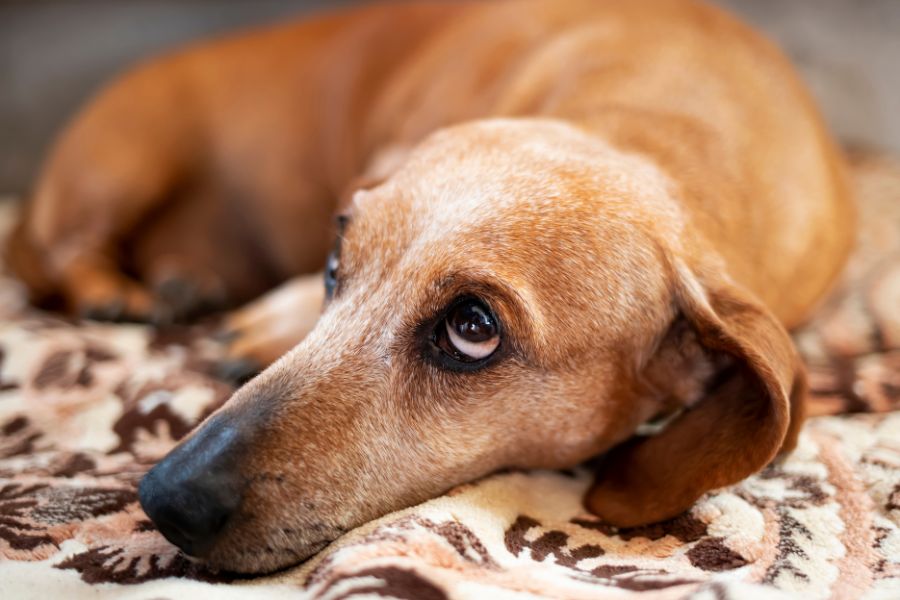
Has your dog had sudden diarrhea, frequent potty trips, or mucus in their stool? These signs can be alarming. One common reason behind these symptoms is colitis in dogs.
Gut health plays a major role in your dog’s overall well-being. When the colon becomes inflamed, it disrupts digestion and causes discomfort. The good news? With the right knowledge and timely care, most dogs recover well.
This guide will walk you through what colitis in dogs is, what causes it, how it’s treated, and what you can do at home to support your dog’s gut health.
What Is Colitis in Dogs?
Colitis in dogs is inflammation of the colon, also called the large intestine. The colon’s job is to absorb water and store waste before it leaves the body. When it becomes irritated or inflamed, your dog may experience loose stools, urgency, and discomfort.
Colitis can be:
- Acute – Sudden onset, often short-term
- Chronic – Ongoing or recurring over weeks or months
Acute cases are more common and usually respond quickly to treatment. Chronic colitis requires deeper evaluation and longer management.
Signs and Symptoms of Colitis in Dogs
Dogs cannot tell us they feel unwell, so we rely on signs. If you notice these symptoms, colitis in dogs may be the cause:
Common Symptoms
- Frequent attempts to poop
- Small amounts of loose stool
- Mucus in stool
- Bright red blood in stool
- Straining during bowel movements
- Urgency or accidents indoors
Less Common Symptoms
- Mild abdominal pain
- Reduced appetite
- Low energy
- Mild weight loss (more common in chronic cases)
Many pet parents notice their dog asking to go outside multiple times, but passing only small amounts each time. This pattern is typical of colitis in dogs.
If symptoms last more than a day or two, or if your dog seems uncomfortable, it’s time to seek help.
What Causes Colitis in Dogs?
Several triggers can lead to inflammation of the colon. Some are mild and temporary. Others need closer attention.
1. Sudden Diet Changes
Switching food too quickly can upset your dog’s digestive system. Dogs thrive on routine, and abrupt changes can irritate the colon.
2. Eating Something They Shouldn’t
Garbage, table scraps, spoiled food, or foreign objects can trigger acute colitis in dogs.
3. Parasites
Intestinal parasites such as whipworms are a known cause of chronic colon inflammation.
4. Bacterial Imbalance
An overgrowth of harmful bacteria in the gut can lead to inflammation.
5. Stress
Boarding, travel, fireworks, or changes in the home can trigger stress-related colitis in dogs. The gut and nervous system are closely connected.
6. Food Sensitivities
Some dogs develop reactions to certain ingredients. Protein sources are common triggers.
7. Chronic Conditions
In some cases, long-term inflammation may be linked to immune-related conditions.
Identifying the root cause helps guide treatment and prevent recurrence.
How Colitis in Dogs Is Diagnosed
Diagnosis starts with a detailed history and physical exam. Your dog’s eating habits, recent changes, stress levels, and stool appearance all matter.
Your care team may recommend:
- Fecal testing for parasites
- Stool analysis
- Blood work
- Imagine if needed
In chronic cases, more advanced testing may be required to evaluate the colon lining. Access to proper pet diagnostic care helps narrow down the cause and rule out more serious problems.
If you want to understand the full scope of available care, you can Learn more about our veterinary services here- Willowrun Veterinary Hospital. Getting accurate information helps you make confident decisions for your dog.
Treatment Options for Colitis in Dogs
Treatment depends on the cause and whether the condition is acute or chronic.
For Acute Colitis
Most mild cases improve within a few days with:
- Temporary bland diet (such as boiled chicken and rice)
- Short-term fasting (if advised)
- Probiotics to support gut bacteria
- Anti-inflammatory or anti-diarrheal medications, when needed
Hydration is important. Make sure your dog always has access to fresh water.
For Chronic Colitis
Chronic colitis in dogs requires a longer-term plan:
- Prescription or limited-ingredient diets
- Fiber supplementation
- Probiotics
- Deworming if parasites are found
- Medication to reduce inflammation
Consistency matters. Sticking to the recommended diet without treats or table scraps often makes a big difference.
The Role of Gut Health in Dogs
The digestive system does more than process food. It plays a role in immunity, mood, and overall health.
A healthy colon:
- Absorbs water properly
- Maintains balanced gut bacteria
- Supports strong immune function
When colitis in dogs disrupts this balance, it affects more than just stool quality.
Supporting gut health can reduce flare-ups and improve comfort.
How to Prevent Colitis in Dogs
You cannot prevent every case, but you can lower the risk.
1. Keep Diet Consistent
Avoid sudden food changes. Transition gradually over 7–10 days when switching foods.
2. Limit Table Scraps
Human food is a common trigger. Keep trash secured and avoid giving fatty leftovers.
3. Routine Parasite Prevention
Regular stool checks and parasite control reduce the risk of colon inflammation.
4. Reduce Stress
If your dog is sensitive to stress, create a calm environment during travel or events.
5. Add Probiotics When Recommended
Probiotics can help maintain healthy gut bacteria, especially after antibiotics or stress.
Preventive care goes a long way in managing colitis in dogs before it becomes severe.
When Should You Be Concerned?
Seek immediate attention if your dog shows:
- Large amounts of blood in stool
- Vomiting with diarrhea
- Signs of dehydration (dry gums, lethargy)
- Severe abdominal pain
- Fever
Puppies, senior dogs, and dogs with other health conditions need prompt evaluation.
Colitis in dogs is often manageable, but ignoring persistent symptoms can lead to complications.
Living With a Dog Prone to Colitis
Some dogs experience repeated flare-ups. If this sounds familiar, focus on long-term management.
Keep a journal of:
- Diet changes
- Treats given
- Stressful events
- Stool patterns
Patterns often reveal triggers.
Work closely with your care provider to adjust diet and supplements as needed. Many dogs with chronic colitis in dogs live normal, happy lives with the right plan.
Final Thoughts: Protecting Your Dog’s Gut Health
Colitis in dogs can feel stressful, but most cases improve with proper care and attention. The key is recognizing early signs, identifying triggers, and supporting long-term gut health.
Pay attention to changes in your dog’s bathroom habits. Small signs often provide early clues. Acting quickly prevents discomfort from turning into something more serious.
Your dog depends on you to notice when something feels off. With steady care, consistent diet, and informed decisions, you can help protect their digestive health for years to come.
If your dog is showing signs of colitis in dogs, don’t wait. Start by monitoring symptoms, adjusting diet carefully, and seeking guidance when needed. Taking action today helps your dog feel better tomorrow.
Frequently Asked Questions About Colitis in Dogs
1. How long does colitis in dogs last?
Acute cases often resolve within 2–5 days with treatment. Chronic colitis can last longer and may require ongoing management.
2. Is colitis in dogs contagious?
Most cases are not contagious. If caused by parasites or infections, other pets may be at risk.
3. Can stress really cause colitis in dogs?
Yes. Stress affects gut function and can trigger inflammation, especially in sensitive dogs.
4. What should I feed a dog with colitis?
A bland diet may help in the short term. For chronic cases, a limited-ingredient or prescription diet may be recommended.
5. Is blood in stool always colitis?
Not always. Bright red blood often points to colon irritation, but other conditions can cause bleeding. Evaluation is important.
6. Can colitis in dogs come back?
Yes. Recurrence is possible, especially if triggers are not addressed.