New Clients First Exam is just $44!*

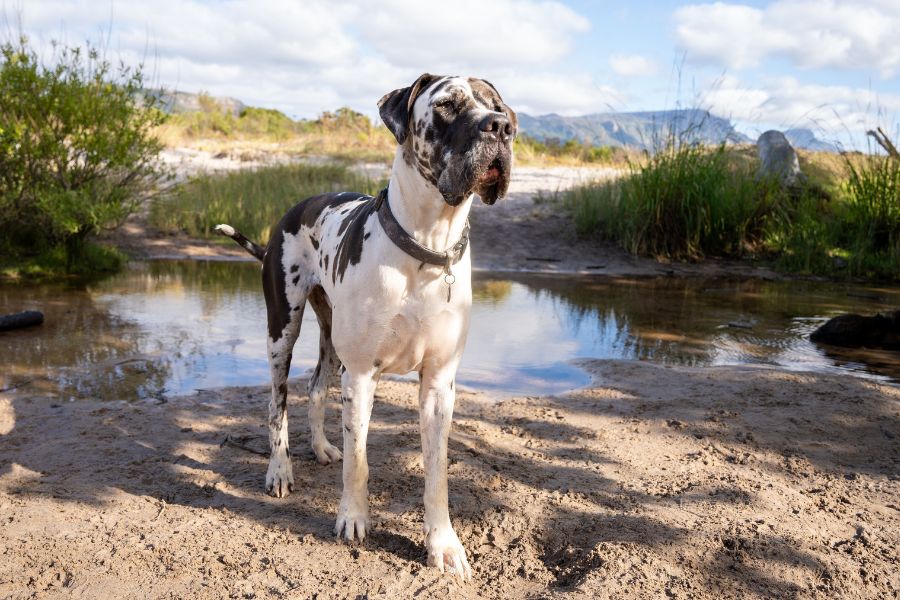
Great Danes are known for their impressive size, gentle temperament, and strong bond with their families. While they are often called “gentle giants,” their lifespan is shorter than that of many other breeds. This raises an important question for current and future owners: Does gender play a role in how long they live?
Understanding the life expectancy of Great Dane dogs helps you make better decisions about care, nutrition, and preventive health. This guide breaks down the differences between male and female Great Danes, explains what impacts their lifespan, and offers clear steps you can take to help your dog live a longer, healthier life.
What Is the Average Life Expectancy of Great Dane Dogs?
The life expectancy of Great Dane dogs typically ranges from 7 to 10 years. Some may live slightly longer with excellent care, but this breed is considered short-lived compared to smaller dogs.
Several factors influence this range:
- Genetics and breeding quality
- Diet and weight management
- Exercise habits
- Preventive veterinary care
- Risk of breed-specific health conditions
Large breeds age faster, and Great Danes are among the largest. Their rapid growth puts stress on their joints, heart, and internal systems, which can affect longevity.
Male vs Female Great Dane Lifespan: Is There a Real Difference?
General Lifespan Comparison
On average, female Great Danes tend to live slightly longer than males, but the difference is usually small—often 6 months to 1 year.
This variation is not guaranteed. Many male Great Danes live long, healthy lives, while some females may face early health challenges.
Why Females May Live Longer
There are a few reasons why females may have a slight lifespan advantage:
- Smaller body size: Females are typically lighter, which reduces strain on joints and organs
- Lower growth stress: Males grow larger and faster, increasing physical stress during development
- Hormonal differences: These may influence metabolism and disease risk
Still, these factors are not strong enough to outweigh proper care and lifestyle.
Size and Growth Differences Between Males and Females
Male Great Danes
- Height: 30–34 inches
- Weight: 140–175 pounds
Female Great Danes
- Height: 28–32 inches
- Weight: 110–140 pounds
The larger size of males often means:
- Increased joint pressure
- Higher risk of orthopedic issues
- Greater strain on the heart
This helps explain why the life expectancy of Great Dane dogs may differ slightly between genders.
Common Health Issues That Impact Lifespan
Regardless of gender, Great Danes are prone to several serious health conditions.
1. Gastric Dilatation-Volvulus (Bloat)
This is one of the leading causes of death in Great Danes. It occurs when the stomach twists and traps gas, cutting off blood flow.
Signs to watch for:
- Swollen abdomen
- Restlessness
- Unsuccessful attempts to vomit
Immediate veterinary care is critical.
2. Heart Disease
Dilated cardiomyopathy (DCM) is common in large breeds. It weakens the heart muscle and affects circulation.
3. Joint and Bone Issues
- Hip dysplasia
- Arthritis
- Growth-related bone problems
These are more common in larger males but can affect both genders.
4. Cancer
Great Danes have a higher risk of certain cancers, including bone cancer (osteosarcoma).
Does Spaying or Neutering Affect Lifespan?
Spaying or neutering can influence the life expectancy of Great Dane dogs, but timing matters.
Benefits
- Reduces risk of reproductive cancers
- Helps control behavior
- Prevents unwanted litters
Considerations
For large breeds like Great Danes, early spaying or neutering may affect bone development. Many veterinarians recommend waiting until the dog is fully grown.
Consult your veterinarian to decide the right timing based on your dog’s health and lifestyle.
Nutrition and Weight Management
Diet plays a major role in lifespan.
Key Guidelines
- Feed high-quality, large-breed dog food
- Avoid overfeeding
- Monitor weight regularly
- Provide balanced nutrients for joint and heart health
Obesity shortens lifespan and increases the risk of disease. Keeping your Great Dane at a healthy weight is one of the most effective ways to extend their life.
Exercise and Activity Needs
Great Danes do not require intense exercise, but they do need regular activity.
Best Practices
- Daily walks
- Light play sessions
- Avoid excessive running, especially during growth stages
Overexertion can harm joints, while inactivity can lead to obesity. Balance is key.
Preventive Veterinary Care
Routine care is essential for extending the life expectancy of Great Dane dogs.
Recommended Care
- Annual or biannual check-ups
- Vaccinations
- Heartworm and parasite prevention
- Early screening for heart and joint conditions
If your dog shows any unusual symptoms, early diagnosis can make a significant difference. For more guidance on preventive care and treatment options, visit our website to explore reliable veterinary resources.
Lifestyle Factors That Influence Longevity
Beyond gender, daily habits shape your dog’s lifespan.
Important Factors
- Safe living environment
- Low-stress household
- Consistent routine
- Mental stimulation
Dogs that feel secure and engaged tend to live healthier lives.
Male vs Female: Which Should You Choose?
When deciding between a male or female Great Dane, lifespan should not be the only factor.
Choose Based On:
- Personality preferences
- Household compatibility
- Activity level
- Training goals
Both males and females can live fulfilling lives with proper care. The small difference in lifespan should not outweigh the importance of responsible ownership.
How to Help Your Great Dane Live Longer
Here are practical steps you can take:
- Feed a balanced, breed-appropriate diet
- Maintain a healthy weight
- Schedule regular veterinary visits
- Watch for early signs of illness
- Provide consistent exercise
- Avoid high-risk feeding habits (like elevated feeding if not advised)
- Consider preventive surgery for bloat if recommended
These actions can have a greater impact than gender alone.
Conclusion
The difference between the male and female Great Dane lifespan exists, but it is small. Females may have a slight edge, largely due to size and growth differences. Still, the life expectancy of Great Dane dogs depends far more on care, health management, and lifestyle.
If you want your Great Dane to live a longer, healthier life, focus on what you can control—nutrition, exercise, and preventive care. Paying attention to early warning signs and staying consistent with veterinary visits can make a meaningful difference.
When it comes to your dog’s health, prompt action is crucial. If you have concerns or want personalized guidance, book an appointment with your veterinarian to ensure your Great Dane gets the care they need at every stage of life.
Frequently Asked Questions(FAQs):
1. Do female Great Danes always live longer than males?
A: No. Females may live slightly longer on average, but individual health and care matter more than gender.
2. What is the most common cause of death in Great Danes?
A: Bloat (gastric torsion) is one of the most common and serious causes.
3. Can Great Danes live longer than 10 years?
A: Yes, though uncommon. With excellent care, some may reach 10–12 years.
4. Does size affect lifespan in Great Danes?
A: Yes. Larger dogs, especially males, often have shorter lifespans due to increased physical strain.
5. Is there a way to prevent bloat?
A: You can reduce risk by feeding smaller meals, avoiding exercise after eating, and discussing preventive surgery with your vet.
6. How often should a Great Dane see a veterinarian?
A: At least once a year, or more often for senior dogs or those with health conditions.