New Clients First Exam is just $44!*

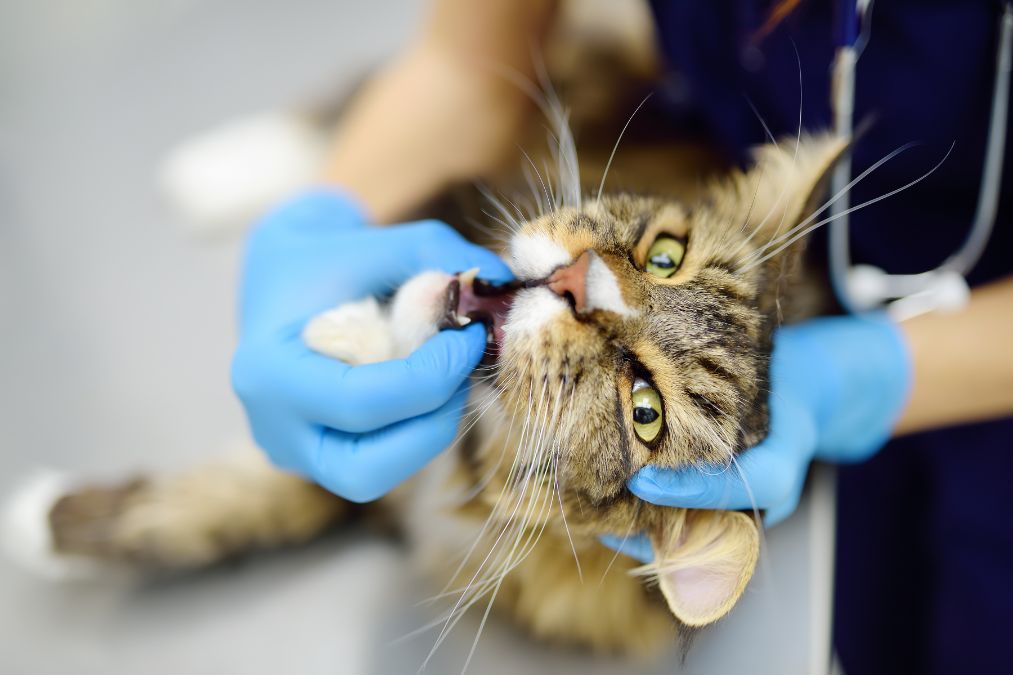
Watching a kitten grow into an adult cat brings many changes, including shifts in their tiny mouth. This guide explains how many teeth cats have at different life stages, when tooth loss is normal, what signs deserve attention, and how simple home care supports lifelong comfort.
You will learn kitten tooth timelines, adult tooth counts, common concerns, and practical tips without complicated language. Understanding these basics helps you feel confident about your cat’s oral health from the start. For families near Smithfield, NC, this overview also connects everyday care with professional support close to home.
Understanding Cat Teeth at a Glance
Cats develop two sets of teeth during their lives. The first set, called baby or milk teeth, appears in kittens. These fall out naturally and make room for permanent adult teeth. This process resembles what happens in children, only on a faster timeline.
Many pet parents wonder how many teeth cats have once growth finishes. Adult cats typically carry thirty permanent teeth designed for gripping, tearing, and chewing. Each tooth plays a role in eating, grooming, and overall comfort.
Tracking changes early helps prevent surprises later. Mild drooling during teething can be normal. Persistent pain, bleeding, or refusal to eat deserves attention.
Kitten Teeth: What to Expect
When Do Kitten Teeth Appear?
Most kittens begin showing their first tiny teeth around two to three weeks of age. By six to eight weeks, all baby teeth usually emerge. These twenty-eight small teeth include incisors, canines, and premolars.
During this stage, kittens explore with their mouths. Gentle chewing on toys or fingers happens often. Offering safe chew toys protects household items and supports healthy jaw development.
When Do Kittens Lose Their Baby Teeth?
Tooth loss usually starts around three to four months of age. Baby teeth loosen and fall out as adult teeth push upward. Many owners never find the lost teeth because kittens swallow them while eating.
By six months, most cats finish this transition. Their adult teeth settle into place, creating a stronger bite and a more mature smile.
Mild gum redness can appear during teething. Bad breath, heavy bleeding, or swelling signals something more than normal growth.
Adult Cat Teeth: The Final Count
Once the teething phase ends, adult cats typically have thirty teeth. These include twelve incisors, four canines, ten premolars, and four molars. Each group serves a specific purpose, from scraping meat to slicing food.
If you ever wonder how many teeth cats have after maturity, thirty remains the standard unless extractions or injuries occur. Missing teeth in adults often result from trauma or dental disease rather than natural shedding.
Adult teeth should appear clean, firmly set, and surrounded by pink gums. Yellow buildup, red margins, or sensitivity indicate a need for care.
Why Tooth Loss Happens Beyond Kittenhood
Losing teeth as a kitten is normal. Losing teeth as an adult is not. Common reasons include plaque buildup, gum inflammation, infections, or accidental injury.
Cats hide discomfort well. Subtle clues matter. Dropping food, pawing at the mouth, or chewing on one side can point to trouble. Changes in behavior, including irritability or reduced play, also connect to oral pain.
Routine checkups and simple cleaning habits reduce the risk of advanced problems. Professional pet dentistry supports early detection and keeps minor concerns from becoming major ones.
Simple Ways to Support Your Cat’s Dental Health
Healthy mouths start at home. Daily or weekly brushing with cat-safe toothpaste removes plaque before it hardens. Dental treats and textured toys add extra support.
Regular inspections help you spot changes early. Lift the lips gently. Look for redness, swelling, broken teeth, or a strong odor. Consistent routines build trust and make exams easier over time.
Balanced nutrition matters too. Crunchy kibble and approved dental diets help scrape away buildup. Fresh water supports saliva flow, which naturally cleans teeth.
Knowing how many teeth cats have allows you to notice when something feels off. Pair that awareness with professional pet dentistry visits for a complete approach.
Conclusion
Understanding how many teeth cats have across life stages gives you a simple way to track comfort and spot early changes. Kittens naturally lose baby teeth, adults should not. Gentle home habits, routine checks, and professional pet dentistry form a practical plan for lasting oral health.
Your attention today supports easier eating, happier play, and fewer surprises tomorrow. We are conveniently located in Smithfield, NC, and welcome you to our location at 1417 S Brightleaf Blvd, Smithfield, NC 27577 — where compassionate care and community come together for your pet’s well-being. Schedule an appointment with Willowrun Veterinary Hospital.
Frequently Asked Questions
Do cats lose teeth the same way dogs do?
Cats and dogs both shed baby teeth, but timelines differ. Cats finish teething earlier, usually by six months. Adult tooth loss in either species signals concern and should not be considered a normal aging change.
How many baby teeth do kittens have?
Kittens typically have twenty-eight baby teeth. These include incisors, canines, and premolars. Molars appear only in adulthood. Baby teeth begin emerging around three weeks and fall out gradually as adult teeth develop.
Is it normal to find a kitten tooth on the floor?
Yes, occasionally owners spot a tiny tooth during teething. Most kittens swallow loose teeth while eating, so finding one is uncommon. A single-tooth discovery without other symptoms usually indicates normal development.
What signs suggest dental pain in cats?
Watch for reduced appetite, drooling, pawing at the mouth, bad breath, or chewing on one side. Behavior changes also matter. These signs suggest discomfort and deserve a prompt oral check.
How often should adult cats receive dental checkups?
Most adult cats benefit from yearly oral evaluations. Some need more frequent visits depending on buildup or past issues. Regular assessments support comfort and help maintain the correct number of healthy teeth.
Can indoor cats skip dental care?
No. Indoor cats develop plaque just like outdoor cats. Home brushing, dental treats, and routine exams matter for every cat. Lifestyle does not eliminate the need for consistent oral care.