New Clients First Exam is just $44!*

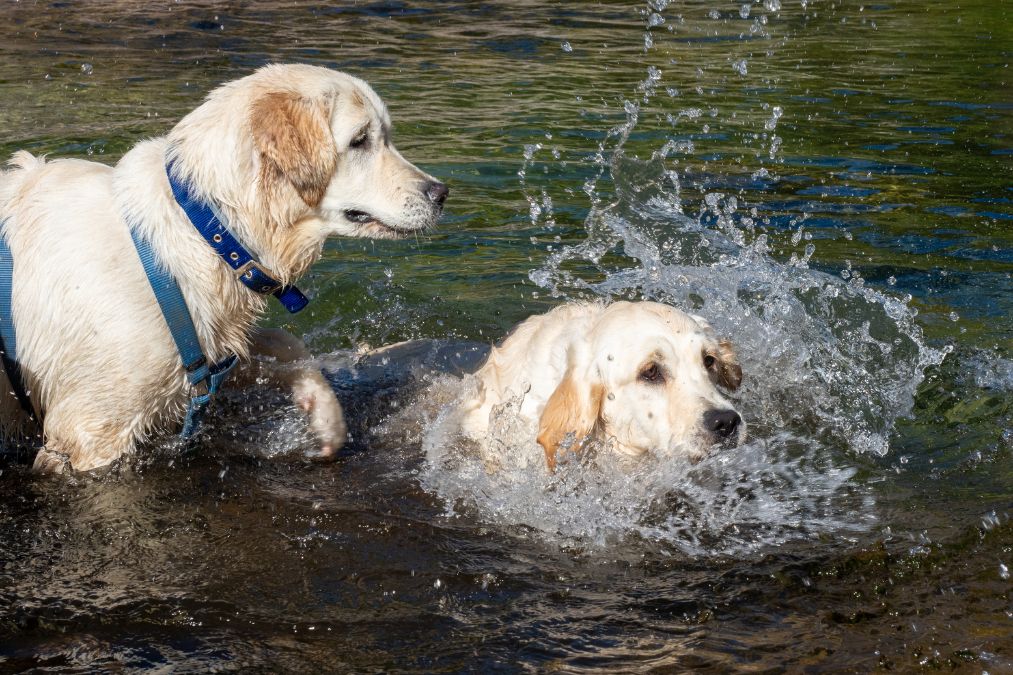
Hot weather can be dangerous for pets if proper precautions are not taken. This blog explains how heat exhaustion develops, the warning signs to watch for, and the practical steps you can take to protect your pet. You will learn daily care strategies, hydration tips, safe outdoor practices, and when professional help is necessary.
These summer safety tips for pets will help you keep your companion comfortable, active, and safe throughout the season. Pet owners in Smithfield, NC, often face rising temperatures and humidity, making prevention especially important.
Understanding Heat Exhaustion in Pets
Heat exhaustion occurs when a pet’s body temperature rises beyond a safe level, and they struggle to cool down. Pets do not sweat like humans. Dogs cool themselves mainly by panting, while cats rely on grooming and limited sweating through paw pads.
When the temperature and humidity increase, these cooling methods become less effective. This can lead to overheating, which may quickly escalate if not addressed.
Common Causes
- Extended exposure to direct sunlight
- Lack of fresh water
- Being left in parked vehicles
- Excessive exercise during peak heat
- Poor ventilation indoors or outdoors
Signs Your Pet May Be Overheating
Recognizing early symptoms can prevent serious health issues. Pay attention to subtle behavioral and physical changes.
1. Early Warning Signs
- Heavy or rapid panting
- Drooling more than usual
- Lethargy or reduced activity
- Warm ears and paws
2. Advanced Symptoms
- Vomiting or diarrhea
- Confusion or disorientation
- Bright red or pale gums
- Difficulty walking or collapse
If you notice advanced symptoms, immediate action is required.
Daily Prevention Strategies
Preventing heat exhaustion starts with consistent daily habits. Small adjustments can make a significant difference in your pet’s comfort.
1. Keep Your Pet Hydrated
Fresh, clean water should always be available. Place multiple water bowls around your home, especially in shaded areas. Consider adding ice cubes during particularly hot days to keep water cool.
2. Create Cool Resting Areas
Provide a shaded, well-ventilated space where your pet can relax. Indoors, use fans or air conditioning. Outdoors, ensure there is adequate shelter from direct sunlight.
Cooling mats or damp towels can help regulate body temperature.
3. Adjust Exercise Routines
Walk your dog early in the morning or late in the evening when temperatures are lower. Avoid hot pavement, as it can burn paw pads. A simple test is placing your hand on the surface for a few seconds. If it feels too hot, it is unsafe for your pet.
Safe Outdoor Practices
Outdoor time is important, but it must be managed carefully during warmer months.
1. Limit Exposure to Heat
Keep outdoor sessions short during peak hours. Monitor your pet closely and bring them inside at the first sign of discomfort.
2. Never Leave Pets in Cars
Even a few minutes inside a parked car can become life-threatening. Temperatures rise quickly, even with windows slightly open.
3. Provide Portable Water
Carry water when going for walks or trips. Portable bowls make hydration easy and convenient.
Grooming and Coat Care
Proper grooming supports temperature regulation.
1. Maintain a Healthy Coat
Regular brushing removes excess fur and improves airflow. Avoid shaving breeds that rely on their coat for insulation unless advised otherwise.
2. Clean and Check Regularly
Inspect your pet’s skin for signs of irritation or heat-related issues. Keeping your pet clean helps them stay comfortable.
Special Considerations for High-Risk Pets
Some pets are more vulnerable to heat exhaustion and require extra care.
Pets at Higher Risk
- Senior pets
- Puppies and kittens
- Overweight animals
- Flat-faced breeds
- Pets with existing health conditions
These pets may need shorter outdoor time and closer monitoring.
What to Do If Your Pet Overheats
Act quickly but calmly if you suspect heat exhaustion.
Immediate Steps
- Move your pet to a cooler area
- Offer small amounts of water
- Use cool, damp towels on the body
- Avoid using ice-cold water, as it can shock the system
Once stabilized, seek guidance from a veterinarian near you to ensure your pet recovers safely.
Local Tips for Smithfield Pet Owners
Summers in Smithfield, NC, often bring high humidity along with heat. This combination makes it harder for pets to cool down.
- Plan walks around sunrise or after sunset
- Use shaded parks for outdoor time
- Keep indoor spaces well-ventilated
- Be mindful of heatwaves and adjust routines accordingly
These localized adjustments make your summer safety tips for pets more effective and practical.
Creating a Heat Safety Routine
Consistency is key when protecting your pet during hot weather.
Build a Daily Checklist
- Refresh water bowls multiple times a day
- Check indoor temperature levels
- Monitor your pet’s activity
- Schedule outdoor time wisely
A routine ensures nothing is overlooked and helps prevent emergencies.
Conclusion
Preventing heat exhaustion in pets requires awareness, preparation, and consistent care. By understanding the risks, recognizing warning signs, and following simple daily practices, you can protect your pet from the dangers of hot weather.
Prioritize hydration, limit heat exposure, and create a comfortable environment that supports your pet’s well-being. If you ever feel unsure about your pet’s condition, do not hesitate to seek professional guidance. Your attentiveness can make all the difference in keeping your pet safe and healthy throughout the season.
Book an appointment today to ensure your pet is fully prepared for the warmer months ahead. Reach out to our Smithfield facility at 1417 S Brightleaf Blvd, Smithfield, NC 27577—where compassionate care and community come together for your pet’s well-being.
Frequently Asked Questions(FAQs):
1. How quickly can heat exhaustion affect pets?
A: Heat exhaustion can develop within minutes, especially in high temperatures or enclosed spaces like cars. Pets exposed to direct heat without water or shade are at greater risk, making constant supervision essential during hot weather.
2. Can pets recover from heat exhaustion at home?
A: Mild cases may improve with cooling and hydration. Severe symptoms require immediate professional attention. Delaying care can lead to serious complications, so it is always safer to consult an expert if symptoms appear concerning.
3. Are certain breeds more sensitive to heat?
A: Yes, flat-faced breeds and pets with thick coats are more prone to overheating. These pets have difficulty regulating body temperature, so they need shorter outdoor sessions and extra cooling support during warm conditions.
4. How can I tell if the ground is too hot for my pet?
A: Place your hand on the pavement for five seconds. If it feels uncomfortable, it is too hot for your pet’s paws. Opt for grassy areas or walk during cooler times of the day.
5. Is it safe to give pets cold water during heat?
A: Cool water is safe and helpful, but avoid extremely cold or iced water in large amounts. Sudden temperature changes can cause discomfort. Offer small, steady amounts instead.
6. What indoor temperature is ideal for pets in summer?
A: Most pets are comfortable between 24–26°C. Proper ventilation and airflow are important. Fans, cooling mats, and shaded resting spots can help maintain a safe indoor environment during hot weather.