New Clients First Exam is just $44!*

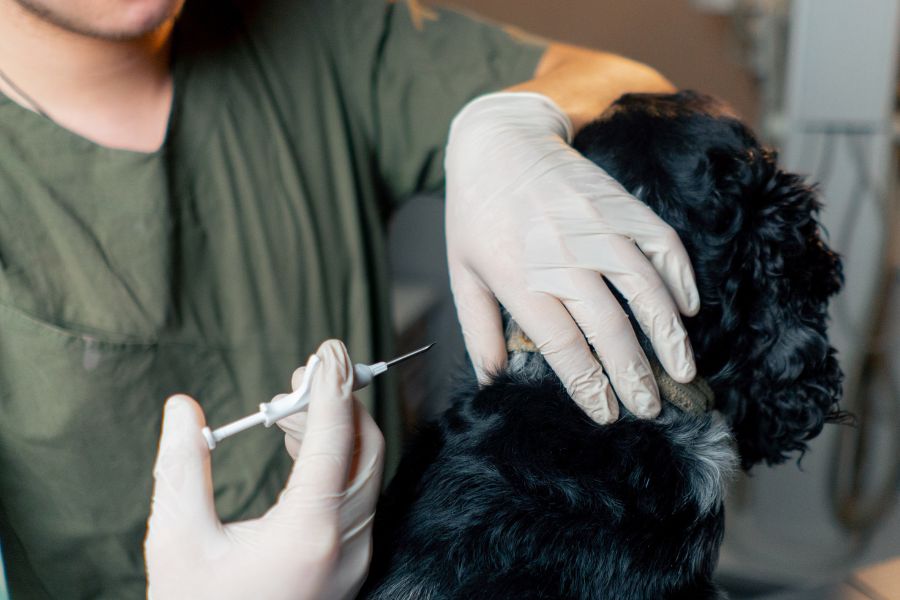
Many dog owners ask the same question: If my dog never leaves the house, do they really need vaccines?
It’s a fair concern. If your dog spends most of their time indoors, sleeps on the couch, and only steps outside for short bathroom breaks, the risk may seem low. But when it comes to core vaccines for dogs, experts agree that indoor status does not eliminate the need for protection.
Let’s walk through what core vaccines are, why they matter, and how to decide what’s right for your dog.
What Are Core Vaccines for Dogs?
Core vaccines are immunizations that protect dogs from serious, highly contagious, and sometimes fatal diseases. These vaccines are recommended for all dogs, regardless of lifestyle, breed, or location.
According to veterinary guidelines from the American Veterinary Medical Association and the American Animal Hospital Association, core vaccines for dogs include protection against:
- Rabies
- Distemper
- Parvovirus
- Adenovirus (canine hepatitis)
These diseases can spread easily and have severe consequences. Some are also required by law.
Why Indoor Dogs Are Not Risk-Free
It’s easy to assume that indoor dogs are fully protected from infectious diseases. In reality, no dog lives in a completely sealed environment.
Here’s why:
1. You Can Bring Viruses Inside
Viruses like parvovirus are tough. They can survive on shoes, clothing, or hands. If you walk through a park or public area, you can unknowingly carry viral particles into your home.
Your dog does not need to meet another dog to be exposed.
2. Brief Outdoor Time Still Counts
Even if your dog only goes into your backyard, wildlife such as raccoons, skunks, and stray animals can carry diseases like rabies or distemper. Fenced yards do not block microscopic threats.
3. Emergencies Happen
What if your dog needs emergency boarding? What if you move to a new home? What if a natural disaster forces temporary sheltering?
Vaccination status can determine whether your dog is allowed into boarding facilities or shelters.
4. Rabies Is a Legal Requirement
In most U.S. states, rabies vaccination is required by law. Indoor dogs are not exempt. Rabies is a fatal disease that can spread to humans, which makes it a public health issue.
A Closer Look at Each Core Vaccine
Understanding what each vaccine protects against can help you feel confident in your decision.
1. Rabies
Rabies affects the nervous system and is almost always fatal once symptoms appear. It spreads through bites from infected animals. Because it can infect humans, public health agencies require vaccination.
Even indoor dogs can encounter rabid wildlife in backyards or open garages.
2. Distemper
Canine distemper spreads through airborne exposure or direct contact. It attacks the respiratory, gastrointestinal, and nervous systems. Puppies and unvaccinated dogs are especially vulnerable.
Distemper can spread without direct dog-to-dog contact.
3. Parvovirus
Parvo is a highly contagious virus that causes severe vomiting and diarrhea. It spreads through contaminated surfaces and can survive in the environment for months.
Indoor dogs are at risk if the virus enters the home on shoes or objects.
4. Adenovirus (Canine Hepatitis)
This virus affects the liver and can cause serious illness. Vaccination provides reliable protection.
These illnesses are not minor infections. They can require hospitalization and can be life-threatening. Core vaccines for dogs are designed to prevent these outcomes.
What Experts Recommend for Indoor Dogs
Veterinary professionals recommend following the same core vaccine schedule for indoor dogs as for outdoor dogs. The level of exposure may vary, but the diseases do not discriminate.
Most dogs receive:
- A series of vaccines for puppies
- Booster shots at one year
- Ongoing boosters every one to three years, depending on the vaccine
Your veterinarian will assess your dog’s age, health status, and vaccination history before recommending a schedule.
Vaccination is a key part of responsible dog ownership and a standard element of good health planning.
Are There Any Exceptions?
Some pet owners worry about over-vaccination. That concern is understandable. Vaccines are medical treatments, and every medical decision should be thoughtful.
There are situations where adjustments may be considered:
- Dogs with certain immune disorders
- Senior dogs with medical conditions
- Dogs with documented vaccine reactions
In these cases, veterinarians may use antibody titer testing or modify schedules. However, skipping core vaccines entirely is rarely advised without strong medical reasons.
The goal is protection with safety, not unnecessary treatment.
Core vs. Non-Core Vaccines
It helps to understand the difference.
Core vaccines for dogs are recommended for all dogs because the diseases are severe and widespread.
Non-core vaccines are based on lifestyle and risk factors. These may include vaccines for:
- Bordetella (kennel cough)
- Leptospirosis
- Lyme disease
- Canine influenza
An indoor dog that never boards and does not visit dog parks may not need certain non-core vaccines. That decision depends on local risk and individual habits.
Core vaccines, however, remain the foundation.
Safety of Core Vaccines for Dogs
Modern vaccines are carefully tested and monitored. Side effects are usually mild and short-lived.
Common mild reactions include:
- Temporary soreness at the injection site
- Low-grade fever
- Mild tiredness
Severe reactions are rare. Veterinary teams monitor pets after vaccination and guide what to watch for at home.
The risk of disease is far greater than the risk of serious vaccine reactions.
How Vaccines Fit Into Pet Preventive Care
Vaccination is not a stand-alone action. It works best as part of a broader health plan that includes exams, parasite prevention, dental care, and nutrition.
Core vaccines for dogs are a central part of pet preventive care, helping stop illness before it starts. Preventing disease is less stressful and less costly than treating advanced infections.
Preventive steps protect both your dog and your community.
Common Myths About Indoor Dogs and Vaccines
Let’s clear up a few misunderstandings.
My Dog Never Meets Other Dogs
Direct contact is not required for exposure. Viruses travel through the air, surfaces, and people.
Vaccines Are Only for Puppies
Puppies need initial protection, but immunity does not last forever. Adult dogs need boosters to maintain protection.
If My Area Is Low Risk, I’m Safe
Disease patterns can change. Wildlife movement and travel increase the spread. Core vaccines for dogs are recommended nationwide because these viruses exist in many environments.
Questions to Ask Your Veterinarian
If you are unsure about your indoor dog’s vaccination needs, ask:
- What is my dog’s current vaccination status?
- When are booster shots due?
- Are there local disease risks I should know about?
- Is titer testing appropriate for my dog?
- Are there medical reasons to adjust the schedule?
Open conversation leads to informed decisions.
Making an Informed Choice
Choosing whether to vaccinate an indoor dog should not be based on guesswork. It should be based on science, risk assessment, and professional guidance.
Core vaccines for dogs protect against diseases that:
- Are highly contagious
- Can survive in the environment
- Causes severe illness or death
- May spread to humans
Indoor living lowers some risks but does not remove them.
Vaccination is a preventive step that supports long-term health. It also ensures compliance with local laws and community health standards.
Conclusion: Do Indoor Dogs Need Core Vaccines?
Yes. Experts recommend that indoor dogs receive core vaccines for dogs just like outdoor dogs. The diseases these vaccines prevent are serious, widespread, and unpredictable.
Indoor status does not create full protection. Viruses can enter homes. Wildlife can enter yards. Emergencies can happen.
If you are unsure about your dog’s vaccination status, review their records and speak with a licensed veterinarian. Ask questions. Understand the schedule. Weigh the risks and benefits.
The safest next step is to schedule a consultation with Willowrun Veterinary Hospital to review your dog’s needs and create a clear vaccination plan that fits their age and health status.
Informed decisions protect your dog today and in the years ahead.
Frequently Asked Questions(FAQs):
1. Do indoor dogs legally need rabies vaccines?
Yes. In most U.S. states, rabies vaccination is required by law, even for indoor dogs.
2. Can indoor dogs get parvo?
Yes. Parvovirus can enter the home on shoes, clothing, or objects and survive for months in the environment.
3. How often do core vaccines for dogs need boosters?
It depends on the vaccine. Many boosters are given every one to three years after the initial puppy series and first annual booster.
4. Are vaccine reactions common?
Most reactions are mild and short-lived. Serious reactions are rare.
5. Can titer testing replace vaccination?
Titer testing measures antibodies and may be used in certain cases, but it does not replace rabies vaccination requirements.
6. What happens if my indoor dog skips vaccines?
Unvaccinated dogs are at higher risk of severe disease. They may also face restrictions for boarding, grooming, or travel.