New Clients First Exam is just $44!*

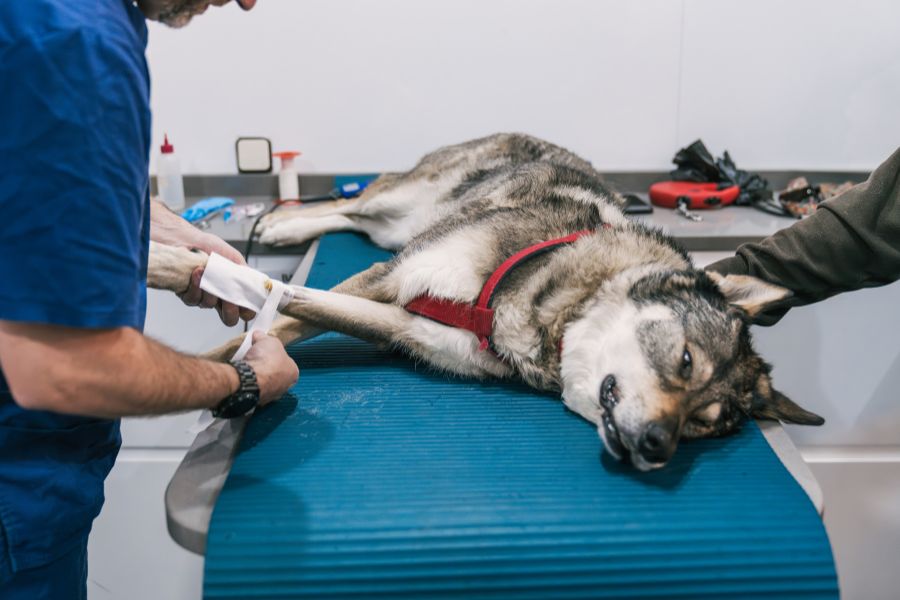
This guide explains what a Cruciate Ligament Rupture means for your dog, how treatment works, what to expect from pet surgery, and how aftercare supports healing. You will learn signs to watch for, surgery options, recovery timelines, home care tips, and answers to common questions, so you can make confident choices for your companion.
Care plans focus on comfort, mobility, safety, and long-term joint health. We support families across the area and welcome readers at the end of this guide in Smithfield, NC.
What Is a Cruciate Ligament Rupture?
The cruciate ligament stabilizes the knee and keeps the joint moving in a straight line. When it tears, the knee slips, causing pain, swelling, and trouble walking. Dogs may limp, sit with one leg out, or avoid stairs. Weight, age, activity, and body shape affect risk. Small strains can appear at first, then progress to a full tear. Early care limits damage to cartilage and reduces the chance of arthritis.
Why Surgery Is Often Recommended
Rest and pain control help mild strains, though a full tear rarely heals on its own. Surgery restores stability so your dog can bear weight again. Several techniques exist, chosen by size, age, and activity level. The goal stays the same: align the joint, reduce pain, and protect the knee from future wear.
A clear plan, gentle handling, and steady follow-ups improve results. Many families choose pet surgery because it offers the best path back to comfortable movement.
Common Surgical Options Explained
1. Tibial Plateau Leveling Osteotomy
This method changes the angle of the shin bone to stop the knee from sliding. It suits active or larger dogs and supports faster return to play.
2. Tibial Tuberosity Advancement
This approach shifts a small bone section forward to stabilize the knee. It works well for many medium dogs and offers predictable recovery.
3. Lateral Suture Repair
This technique places a strong line outside the joint to mimic the ligament. It fits smaller dogs and calmer lifestyles, with shorter operating time.
Preparing Your Dog for Surgery
Preparation starts with simple steps at home. Feed balanced meals, manage weight, and keep nails trimmed. Follow fasting instructions the night before. Bring favorite bedding for comfort. Ask about pain plans and activity limits. Share medication lists and past reactions. A calm drop-off reduces stress. Clear expectations help you plan time off work and arrange a safe recovery space.
What Recovery Looks Like
Healing follows phases. The first two weeks focus on rest, short leash walks, and wound checks. Weeks three to six add gentle exercises. Strength returns across three months with guided activity. Cold packs ease swelling during early days. Support harnesses help stairs. Keep floors slip-free. Avoid jumping. Progress checks adjust exercises and medications. Many dogs regain steady walking within weeks, with full confidence building over time.
Home Care Essentials
Create a quiet area with soft bedding. Use gates to block stairs. Offer puzzle feeders for calm enrichment. Measure meals to prevent weight gain. Give medicines on schedule. Watch for redness, heat, or discharge. Track appetite and mood. Simple range-of-motion moves, taught by your care team, keep joints flexible. Consistent routines protect the repair and shorten recovery.
Nutrition and Joint Support
Quality protein aids healing. Omega-3s support comfort. Fiber helps digestion when activity drops. Ask about joint supplements that include glucosamine or green-lipped mussel. Fresh water stays available. Treats count toward daily calories. A lean body reduces pressure on healing knees and lowers the chance of injury to the other leg.
Costs and Expectations
Fees vary by technique, size, and aftercare needs. Estimates cover imaging, anesthesia, the procedure, medications, and rechecks. Ask for written plans. Success rates remain high when instructions are followed. Some dogs develop arthritis later in life, though early repair and healthy weight limit impact. Families report mood and play once healing completes.
Conclusion
Facing injury feels heavy, yet clear guidance keeps each step manageable. With thoughtful pet surgery, careful home care, and steady activity plans, dogs regain comfort and confidence. Stay engaged, follow instructions, celebrate small wins, keep routines consistent.
Recovery rewards patience daily. We are conveniently located in Smithfield, NC, and welcome you to our location at 1417 S Brightleaf Blvd, Smithfield, NC 27577— where compassionate care and community come together for your pet’s well-being. Schedule an appointment with Willowrun Veterinary Hospital.
Frequently Asked Questions(FAQs):
1. How do I know if my dog needs surgery?
A: Persistent limping, knee swelling, or sudden refusal to bear weight raise concern. An exam and imaging confirm the tear. Many full tears benefit from repair to restore stability and comfort, while partial strains may try rest first.
2. How long does recovery take?
A: Most dogs walk better within weeks. Controlled activity continues for eight to twelve weeks. Full strength builds over several months with home exercises and checkups. Timelines vary by size, age, and procedure.
3. Will my dog feel pain after pet surgery?
A: Pain control plans use medications and comfort strategies, plus quiet rest and gentle handling at home. Expect mild soreness during early days, with steady improvement. Call if pain seems to increase, appetite drops, sleep changes, or behavior shifts.
4. Can my dog tear the other knee?
A: Yes, added strain can affect the opposite leg. Weight control, safe exercise, and follow-up care lower risk. Early evaluation of any new limp helps protect long-term mobility, balance muscle strength, and keep daily routines comfortable.
5. What activities are allowed during healing?
A: Short leash walks, potty breaks, and guided exercises are typical. Running, jumping, and rough play stay off limits until cleared. Mental games and calm enrichment keep spirits up, support focus, and prevent boredom during quiet days.
6. Is surgery always successful?
A: Outcomes are strong when aftercare steps are followed. Most dogs return to comfortable daily activity. Arthritis may appear later, though early repair, lean weight, and joint support reduce impact and help preserve long-term quality of life.