
New Clients First Exam is just $44!*

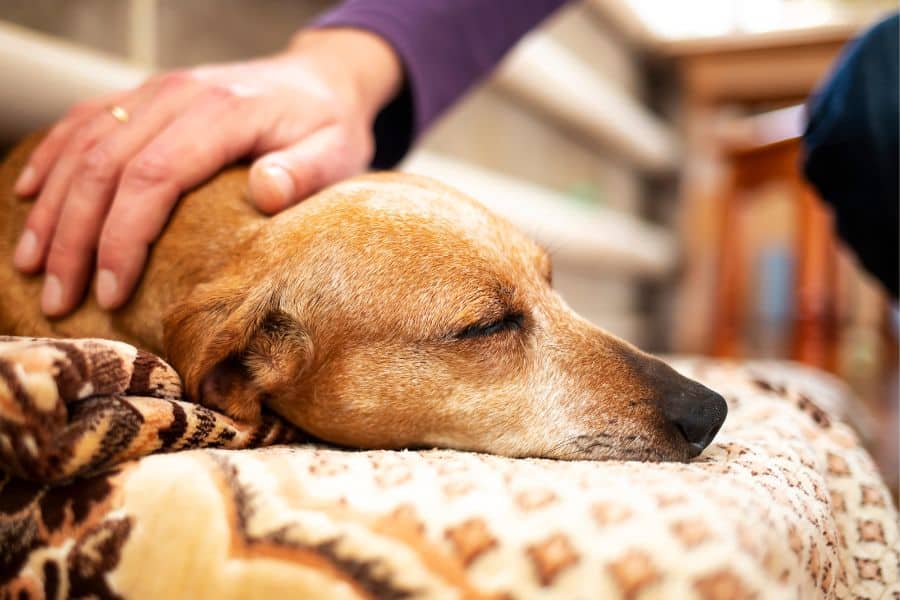
An unexpected health concern can leave both pets and owners feeling overwhelmed. A sudden injury, illness, or unusual behavior often means a quick trip for professional care, which can increase stress for everyone involved. Understanding how anxiety affects pets, recognizing common stress signals, and preparing for an unplanned visit can make the experience much smoother.
Small actions such as staying calm, using familiar items, and handling transportation carefully can help your pet feel more secure. This guide explains practical ways to reduce fear before, during, and after a visit while ensuring your companion receives the attention they need. Pet owners in Smithfield can benefit from these strategies when seeking prompt care for their furry family members.
Why Unplanned Visits Can Trigger Anxiety
Most pets thrive on routine. They know when meals are served, when walks happen, and where they feel safest. A sudden disruption can create uncertainty.
Dogs and cats often associate travel carriers, car rides, and unfamiliar environments with discomfort. Loud sounds, new smells, and unfamiliar people can make an already nervous pet feel even more uneasy.
When a pet is not feeling well, stress levels may rise further. Pain, discomfort, and confusion can contribute to anxious behavior during an urgent visit.
Common Signs of Anxiety in Pets
Recognizing stress early helps you respond appropriately.
1. Signs in Dogs
- Excessive panting
- Trembling or shaking
- Whining or barking
- Pacing
- Hiding behind the owners
- Refusing treats
2. Signs in Cats
- Hiding
- Growling or hissing
- Dilated pupils
- Excessive grooming
- Refusing to leave the carrier
- Flattened ears
Some pets become unusually quiet when stressed. Changes in behavior should always be taken seriously.
Staying Calm Starts With You
Pets are highly aware of human emotions. They often pick up on tension, frustration, and fear.
Speak in a normal tone and move gently. Avoid raising your voice or rushing unnecessarily. Even when the situation feels stressful, maintaining composure can reassure your pet.
Focus on what needs to be done rather than reacting emotionally. Your calm presence can make a significant difference.
Preparing for the Trip
A little preparation can reduce anxiety before leaving home.
1. Bring Familiar Comfort Items
A favorite blanket, toy, or bedding item can provide reassurance. Familiar scents often help pets feel safer in unfamiliar settings.
For cats, placing a towel that smells like home inside the carrier may offer comfort during travel.
2. Secure Transportation
Dogs should be safely restrained using a pet seatbelt or secured carrier. Cats should always travel in a sturdy carrier.
Safe transportation reduces movement and helps prevent additional stress.
3. Pack Essential Information
Keep important details readily available, including:
- Current medications
- Recent symptoms
- Dietary information
- Previous medical history
Having information organized allows the care team to assess your pet more efficiently.
Making the Car Ride Less Stressful
Travel is often one of the most anxiety-inducing parts of an unplanned visit.
Keep the vehicle quiet and comfortable. Moderate temperatures can help prevent additional discomfort. Soft music may provide a calming effect for some pets.
Avoid frequent stops or unnecessary detours. A direct route helps shorten travel time and reduces exposure to stressful situations.
For cats, covering part of the carrier with a lightweight blanket may help reduce visual stimulation.
What to Do Upon Arrival
New environments can be intimidating for pets.
Allow your dog or cat time to observe surroundings without forcing interactions. Keep dogs on a secure leash and cats safely inside their carriers.
Reward calm behavior with praise and, if appropriate, a favorite treat. Positive reinforcement can help create a more reassuring experience.
If your pet seems extremely anxious, inform the staff. Sharing behavioral concerns helps the team adjust its approach.
How Professional Care Teams Help Reduce Stress
Many clinics focus on creating a calm experience for anxious pets.
1. Gentle Handling Techniques
Low-stress handling methods help pets feel safer during examinations and treatment. Slow movements and patient interactions often reduce fear.
2. Quiet Spaces
Some facilities provide separate waiting areas or quieter spaces for nervous pets. Reduced noise levels can help lower anxiety.
3. Individualized Care
Every pet responds differently to stress. Care teams often adapt their approach based on your pet’s personality, age, and condition.
When seeking urgent care for pets, choosing a team that prioritizes comfort can improve the overall experience.
Helping Your Pet Recover Emotionally After the Visit
The visit does not end when you return home.
Give your pet time to decompress in a quiet, familiar environment. Maintain regular feeding schedules and daily routines whenever possible.
Offer gentle affection if your pet seeks attention. Some pets prefer personal space while they settle back into normal surroundings.
Watch for lingering signs of stress such as reduced appetite, excessive hiding, or unusual behavior. Contact your care provider if concerns continue.
Preventing Future Anxiety
While unexpected situations cannot always be avoided, preparation can help reduce future stress.
1. Practice Carrier Training
Leave carriers accessible at home instead of storing them away. Adding treats and comfortable bedding can help pets develop positive associations.
2. Take Short Practice Rides
Brief car trips followed by rewards may reduce travel-related anxiety over time.
3. Schedule Regular Wellness Visits
Routine visits help pets become familiar with care environments. Familiarity often reduces fear during unexpected situations.
When Prompt Attention Is Important
Certain situations should never be ignored. Difficulty breathing, severe vomiting, sudden weakness, inability to walk, significant injuries, or unusual behavior changes may require immediate evaluation.
Acting quickly can help prevent complications and support a better outcome. If your pet appears distressed or unwell, contact a trusted care provider as soon as possible.
Need prompt attention for your pet? Call us at 919-934-1504 to learn more about our urgent care services and how we can help your companion feel comfortable during their visit.
Conclusion
An unexpected visit can be stressful, but preparation and a calm approach can make a meaningful difference. Understanding anxiety triggers, recognizing signs of stress, and supporting your pet before, during, and after the visit can help create a more positive experience.
Families throughout Smithfield, Selma, Four Oaks, Clayton, and Princeton can benefit from proactive strategies that reduce fear and improve comfort when prompt care is needed. If you’re located in Smithfield, consider reaching out to Willowrun Veterinary Hospital, where compassionate care and a strong sense of community come together to support your pet’s well-being.
Frequently Asked Questions(FAQs):
1. How can I tell if my pet is anxious during an urgent visit?
A: Pets may show anxiety through panting, trembling, hiding, pacing, vocalizing, flattened ears, or refusing treats. Any sudden behavioral change during a stressful situation may indicate fear or discomfort that should be addressed.
2. Should I bring my pet’s favorite toy to the appointment?
A: Yes. Familiar toys, blankets, or bedding can provide comfort through familiar scents. These items help create a sense of security and may reduce stress during transportation and the visit itself.
3. Are cats more likely to experience anxiety during travel?
A: Many cats are sensitive to changes in routine and unfamiliar environments. Using a secure carrier, familiar bedding, and a calm travel environment can help make the experience less stressful.
4. What can I do if my dog becomes nervous in the car?
A: Practice short car rides regularly, use secure restraints, maintain a comfortable temperature, and reward calm behavior. Consistent positive experiences can help reduce travel-related anxiety over time.
5. How long does it take for pets to recover from a stressful visit?
A: Recovery varies by pet. Some return to normal within hours, while others need a day or two. Providing a quiet environment and maintaining familiar routines often supports faster emotional recovery.
6. Can regular wellness visits help reduce anxiety during unexpected care visits?
A: Yes. Routine visits help pets become familiar with transportation, staff interactions, and care environments. Familiarity often lowers stress levels when an unexpected health concern requires prompt professional attention.