
New Clients First Exam is just $44!*

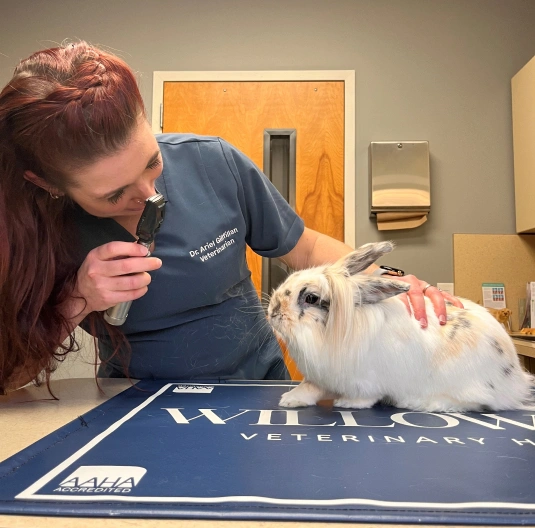

Comprehensive Rabbit Wellness and Care
Rabbits are adorable creatures that make great pets. However, they require proper care and attention to ensure they live happy and healthy lives. Our team is here to provide all the essential aspects of rabbit wellness care you need.
Our Rabbit Care Services
- Wellness Exams
- Sick Visits
- Nail and Teeth Trimming
- Nutrition and Weight Management
- Rabbit Husbandry
- Socialization and Behavior Counseling
Rabbit Care - Wellness Exams and Sick Visits
Just like dogs and cats, rabbits can develop health issues that may not be immediately apparent. By scheduling regular wellness exams, you can catch any potential health concerns early on to keep your rabbit healthy.
During a wellness exam, we will perform a thorough physical examination, checking all of your rabbit’s body systems. We may also recommend preventative measures such as vaccinations and parasite control to keep your rabbit healthy and free from diseases. Wellness exams also provide an opportunity for us to asses your rabbit’s overal internal organ health. We may recommend routine bloodwork and fecal exams to check for any underlying health issues that may not be visible during the physical examination.
These tests can help identify potential problems such as infections, organ dysfunction, and nutritional deficiencies. By catching these issues early on, you can provide your rabbit with the necessary treatment and prevent any further complications.
Annual vs. Biannual Wellness Exams
While annual wellness exams are recommended for rabbits under the age of 3, we suggest biannual exams for rabbits over the age of 3 or those with pre-existing health conditions. The frequency of exams may also depend on your rabbit’s breed and lifestyle. It’s essential to discuss with us the best schedule for your rabbit’s wellness exams based on their individual needs.
Sick Visits
Rabbits are prey animals, which means they are good at hiding signs of illness. This is a survival instinct, as showing weakness in the wild can make them vulnerable to predators. As a result, rabbit owners need to be vigilant and look for subtle changes in their pet’s behavior or appearance.
Some common signs that your rabbit may be sick include:
- Changes in appetite or water intake
- Changes in bowel movements (diarrhea, constipation, or abnormal color/consistency)
- Changes in activity level (lethargy or excessive sleeping)
- Changes in grooming habits (overgrooming or lack of grooming)
- Changes in behavior (aggression, hiding, or decreased social interaction)
- Changes in appearance (dull coat, discharge from eyes or nose, or weight loss)
If you notice any of these signs, it’s important to schedule a sick visit with us as soon as possible.
* Please call ahead for sick visits to establish if a referral to Avian and Exotic Animal Care will be necessary.

Rabbit Grooming - Nail and Teeth Trimming
While owners can handle basic grooming tasks, such as brushing and bathing, certain aspects should be left to a veterinarian. One of these is teeth trimming, which should be performed as needed by your veterinarian.
Teeth Trimming
Rabbits have continuously growing teeth, and if not properly maintained, they can become overgrown and cause serious health problems. A veterinarian can perform teeth trimming as needed to keep a rabbit’s teeth at a healthy length.
Nail Trimming
Rabbits have sharp nails that can cause injury to themselves or their owners. Overgrown nails can also lead to discomfort and difficulty moving. Our veterinary team can safely trim your rabbit’s nails if you are not comfortable doing so at home to prevent any potential issues.
Rabbit Nutrition and Weight Management
Rabbits are herbivores, which means they primarily eat plants. A rabbit’s diet should consist of high-quality hay, fresh leafy greens, and a small number of pellets. Hay is essential for a rabbit’s digestive health and should make up the majority of their diet. Fresh leafy greens, such as leafy greens, should be given daily, and pellets should be given in moderation.
It’s crucial to avoid feeding rabbits foods that are high in sugar, such as fruits and carrots, as this can lead to obesity and other health issues. It’s also essential to provide fresh, clean water always.
Avoid Overfeeding
Rabbits tend to overeat, which can lead to obesity and other health issues. It’s important to monitor your rabbit’s food intake and adjust accordingly. If you notice your rabbit gaining weight, reduce the amount of pellets and treats and increase their hay intake.
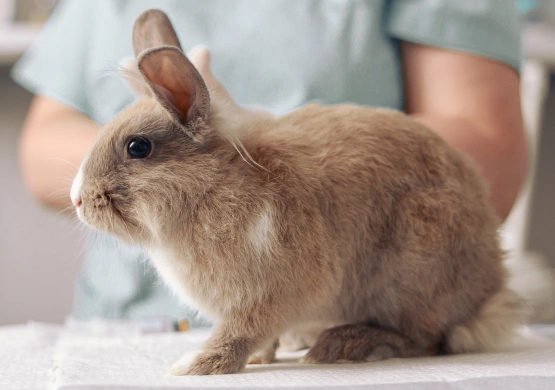
Rabbit Husbandry
Before diving into the specifics of rabbit husbandry, it’s important to understand rabbit behavior. Rabbits are social animals and thrive in pairs or groups. They are also prey animals, which means they are naturally timid and easily startled. As a result, rabbits need a safe and secure environment to feel comfortable and happy.
Providing Adequate Space
One of the most important aspects of rabbit husbandry is providing adequate space for your rabbit to live and play. A rabbit’s enclosure should be at least four times the size of the rabbit, with enough room for them to hop, run, and play. It should also have a separate area for sleeping and a litter box.
If you have more than one rabbit, the enclosure should be even larger to accommodate their social needs. It’s also important to let your rabbits out of their enclosure for supervised playtime in a rabbit-proofed area.
Enrichment for Happy Bunnies
Rabbits are intelligent animals and need mental stimulation to stay happy and healthy. Enrichment activities can include providing toys, hiding treats for them to find, and rotating their toys to keep things interesting. You can also create a digging box for your rabbit to satisfy their natural instinct to dig.

Socialization and Behavioral Counseling
Body Language
Rabbits communicate through body language, and understanding their cues can help prevent conflicts and promote successful bonding and socialization.
Some common body language cues to look out for include:
- Ears: When a rabbit’s ears are relaxed and facing forward, it means they are calm and content. If their ears are flattened against their head, it can indicate fear or aggression.
- Eyes: Wide-open eyes can indicate fear or aggression, while half-closed eyes can indicate relaxation.
- Posture: A relaxed rabbit will have a loose, relaxed posture, while a tense rabbit will have a hunched posture with their tail tucked in.
- Tail: A rabbit’s tail can also indicate their mood. A relaxed rabbit will have their tail down, while a tense rabbit will have their tail up and tense.
Rabbit Socialization
Rabbit socialization is the process of introducing rabbits to each other in a controlled and safe environment. This is important for rabbits that will be living in a group or a community setting. Socialized rabbits learn to communicate and interact with each other, reducing the risk of aggression and promoting a harmonious living environment.
How Behavior Counseling Can Help
Behavior counseling can be a valuable resource for rabbit owners who are looking to socialize their rabbits. We can provide guidance and support throughout the bonding and socialization process, ensuring the safety and well-being of the rabbits involved.
Tips for Handling Your Rabbit
While owners can handle basic grooming tasks, such as brushing and bathing, certain aspects should be left to a veterinarian. One of these is teeth trimming, which should be performed as needed by your veterinarian.
Approach Slowly and Gently
Rabbits are prey animals, so they can be easily startled. When approaching your rabbit, do so slowly and gently to avoid scaring them. You can also try talking to them in a calm and soothing voice to help them feel more at ease.
Support Their Hindquarters
When picking up your rabbit, always support their hindquarters with one hand and their chest with the other. This will help them feel secure and prevent them from kicking or scratching.
Never Pick Up by the Ears
It’s important to never pick up a rabbit by their ears. This can cause serious injury and pain to your rabbit. Always use the proper technique of supporting their hindquarters and chest when picking them up.
Common Health Issues in Rabbits
Rabbits are prone to certain health issues, and it’s essential to be aware of these issues to provide proper care for your rabbit. Some common health issues in rabbits include:
- Gastrointestinal Stasis: This is a condition where a rabbit’s digestive system slows down or stops working, which can be caused by a poor diet or lack of exercise.
- Dental Problems: Rabbits’ teeth continuously grow, and if they are not worn down properly by chewing on proper foods and toys, it can lead to dental issues.
- Ear Mites: These are tiny parasites that can cause irritation and infection in a rabbit’s ears.
- Fur Mites: These are tiny parasites that can cause itching and hair loss in rabbits.
- Flystrike: This is a condition where flies lay eggs on a rabbit’s fur, which can lead to severe infections.
If you notice any changes in your rabbit’s behavior or appearance, it’s essential to consult us for proper diagnosis and treatment.
Additional Resources
Please visit the following sites for additional rabbit care resources: