New Clients First Exam is just $44!*

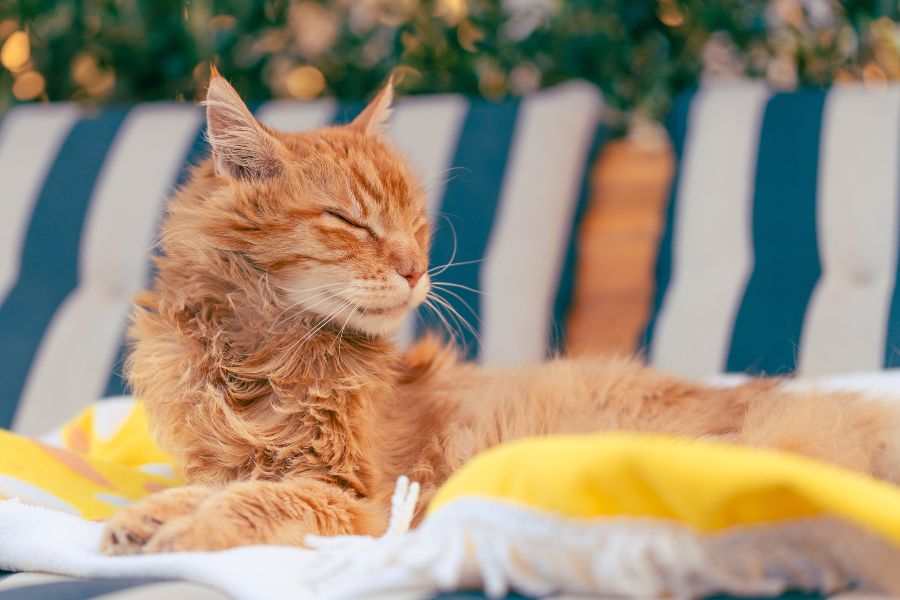
Most cat owners expect their pet to be fastidious groomers, so when a cat starts over-grooming, developing bald patches, or scratching relentlessly at their neck and ears, it can take a while to recognize that something is wrong. Cat skin allergy symptoms are frequently mistaken for normal grooming behavior or dismissed as a phase that will pass.
By the time the problem becomes undeniable, the skin is often already inflamed, scabbed, or secondarily infected. Skin allergies in cats are more common than many owners realize, affecting cats of all ages and breeds, and they can significantly reduce a cat’s quality of life when left unmanaged. This article explains what symptoms to look for, what typically causes them, and what you can do to help your cat get relief.
Understanding Why Cats Develop Skin Allergies
A cat’s immune system is designed to protect against genuine threats, but in allergic cats, the immune system misidentifies harmless substances as dangerous and mounts a defensive response. That immune response produces inflammation, which the cat experiences as intense itching.
This overreaction is known as hypersensitivity, and it can develop at any point in a cat’s life. Cats are not born allergic. They become sensitized over time with repeated exposure to a trigger. A cat that has tolerated a particular food ingredient, pollen, or cleaning product for years can develop an allergy to it seemingly out of nowhere.
Feline skin allergies fall into three main categories: flea allergy dermatitis, environmental allergies (atopic dermatitis), and food allergies. Each has a distinct pattern in terms of which symptoms appear and where on the body they concentrate. Accurately identifying the category is the first step toward effective treatment.
Research consistently shows that flea allergy dermatitis is the most common skin allergy in cats, even in cats that appear to have no fleas. A single flea bite can trigger a significant allergic reaction in a sensitized cat.
Cat Skin Allergy Symptoms: What to Watch For
Cat skin allergy symptoms vary depending on the underlying cause, but these are the most consistent signs across all three allergy types:
- Excessive grooming or over-grooming: Cats with skin allergies often lick themselves to the point of creating bald patches, particularly on the belly, inner thighs, and flanks.
- Scabs and crusting: Small, raised scabs across the neck, back, and head, known as miliary dermatitis, are a hallmark sign of feline allergies.
- Hair loss: Symmetrical thinning of fur, especially on the lower abdomen and inner legs, often points to an allergic cause.
- Head and neck scratching: Cats with food or environmental allergies frequently scratch their face, ears, and neck, sometimes breaking the skin.
- Red, inflamed skin: Visible redness, especially on the belly or between the toes, indicates active skin inflammation.
- Eosinophilic plaques: Raised, ulcerated patches most often found on the abdomen or inner thighs. These have a characteristic wet, thickened appearance and are nearly always allergy-related.
In practice, cats with food allergies tend to present with itching that is not seasonal. When a cat scratches consistently year-round and the symptoms do not correlate with outdoor allergen seasons, food sensitivity is often higher on the differential list.
If you notice any of these signs in your cat, contact your veterinarian promptly rather than waiting to see if symptoms resolve.
The Most Common Triggers Behind Feline Skin Allergies
Identifying triggers requires a systematic approach, since multiple causes can overlap. Here are the most frequently identified culprits:
- Fleas and flea saliva: Flea allergy dermatitis results not from the flea itself but from proteins in flea saliva injected during a bite. An allergic cat does not need a heavy flea burden. One or two bites per week can maintain a continuous state of skin inflammation. Indoor cats can still be exposed through contact with flea-carrying clothing, other pets, or the occasional flea that enters the home.
- Environmental allergens: Pollen, dust mites, mold spores, and grass are common environmental triggers for cats, just as they are for humans. In North Carolina, tree pollen peaks in spring, grass pollen peaks in early summer, and mold spores remain elevated in fall and winter. Cats with environmental allergies often show seasonal worsening but can have year-round symptoms in areas with mild winters.
- Food ingredients: Cats most commonly develop allergies to proteins they have been eating for a long time. Beef, chicken, fish, and dairy are the most frequently reported food allergens in cats. Diagnosing a food allergy requires a strict elimination diet under veterinary supervision, not an over-the-counter hypoallergenic food.
- Household chemicals and fabrics: Some cats react to laundry detergents, fabric softeners, cleaning sprays, or the dyes in synthetic bedding. These contact allergens typically cause localized skin reactions in areas where the cat most frequently rests.
- Perfumes and aerosol sprays: Air fresheners, scented candles, and grooming sprays can act as respiratory and skin irritants in sensitive cats, triggering an allergic response that presents on the skin.
What Your Vet Will Do to Find the Cause
Diagnosing feline skin allergies is a process of elimination. Your veterinarian will work through the most likely causes based on your cat’s symptom pattern, age, diet history, and environment. Here is what a diagnostic workup often involves:
- Skin and coat examination: Visual assessment of lesion type, distribution, and severity helps narrow the differential.
- Skin cytology: Samples from affected skin are examined microscopically for bacteria, yeast, or other secondary infections that need to be treated alongside the allergy.
- Strict flea treatment trial: Even if no fleas are found, all pets in the household are treated with a veterinarian-recommended flea preventive for 8 to 12 weeks to rule out flea allergy.
- Elimination diet trial: If a food allergy is suspected, a strict novel protein or hydrolyzed protein diet is fed exclusively for 8 to 12 weeks. No treats, supplements, or flavored medications during this period.
- Allergy testing: For environmental allergies, serum or intradermal allergy testing can identify specific triggers and guide allergen-specific immunotherapy.
A common misconception is that switching to a grain-free food resolves cat food allergies. Grains are rarely the trigger. The protein source is almost always responsible, which is why a properly supervised elimination diet, not a retail switch, is the diagnostic tool.
Managing Cat Skin Allergies Long-Term
Once triggers are identified, management becomes much more targeted and effective. Cats with flea allergy dermatitis see dramatic improvement with rigorous flea prevention applied consistently throughout the year. Cats in Smithfield, NC benefit from year-round flea control given the region’s relatively mild winters, which allow flea populations to remain active longer than in northern states.
For environmental allergies, treatment options include antihistamines, prescription medications that target the itch signal, and allergen-specific immunotherapy. Immunotherapy is the only approach that addresses the immune response itself rather than suppressing symptoms, and it can reduce a cat’s sensitivity to specific triggers over time.
Dietary management for confirmed food allergies is straightforward but permanent. Once the offending protein is identified, it must be avoided in all foods and treats indefinitely.
Willowrun Veterinary Hospital works with cat owners to identify the specific triggers driving each cat’s allergies and build a practical, sustainable management plan.
Your cat’s comfort matters. With the right diagnosis and a consistent strategy, most allergic cats achieve significant, lasting relief. Book an appointment today.
Frequently Asked Questions(FAQs):
Q: Can cats develop skin allergies suddenly even if they have been healthy for years?
Ans: Yes. Allergies develop through repeated exposure and sensitization, meaning a cat can live with a trigger for years before the immune system begins overreacting to it. A sudden onset of skin symptoms in a previously healthy adult cat is actually a typical presentation for feline allergies.
Q: Is over-grooming always a sign of a skin allergy?
Ans: Not always. Over-grooming can also be a behavioral response to stress, anxiety, or pain. However, when over-grooming produces visible hair loss, scabbing, or skin lesions, a physical cause such as skin allergy is much more likely. A veterinary evaluation helps distinguish between the two.
Q: Can I use human antihistamines on my cat?
Ans: Never give your cat human medications without direct veterinary guidance. Some antihistamines are unsafe for cats, and doses for humans are inappropriate for feline physiology. Your veterinarian can recommend safe options if antihistamines are appropriate for your cat’s specific situation.
Q: How long does a food allergy elimination trial take in cats?
Ans: A proper elimination diet trial takes a minimum of 8 weeks and often 12 weeks. Cats can be slow to show improvement, and any dietary slip during the trial resets the clock. Patience and strict compliance are essential for a meaningful result.
Q: Are indoor-only cats protected from environmental allergies?
Ans: Not entirely. Dust mites, mold spores, and some types of pollen circulate indoors as well as outside. Indoor cats can develop environmental allergies just like outdoor cats, though outdoor exposure does raise allergen levels significantly.