New Clients First Exam is just $44!*

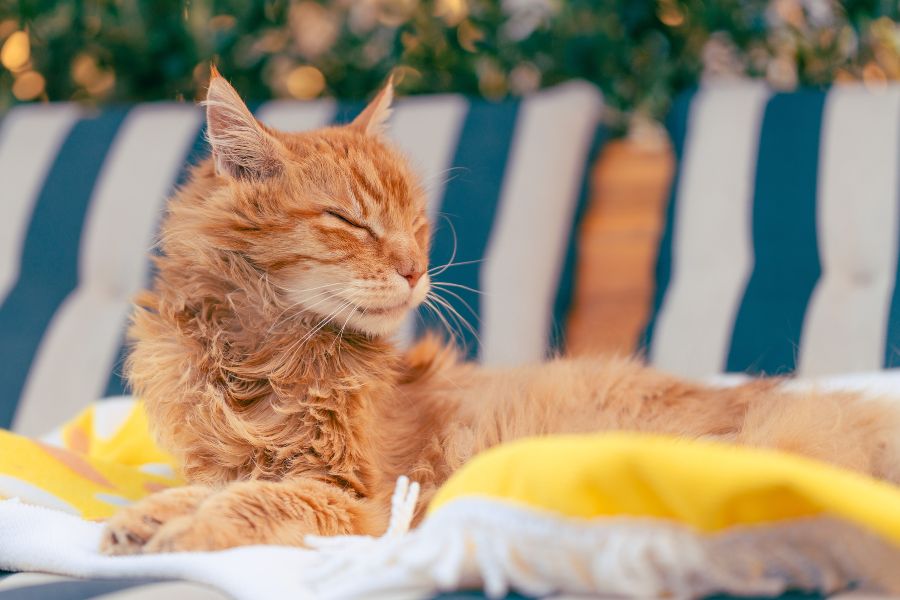
Living with a Maine Coon does not mean accepting constant sneezing, itchy eyes, or a stuffy nose. Cat allergies come mainly from proteins in saliva, skin flakes, and other secretions, not simply from fur. Maine Coons spread these allergens through grooming, shedding, bedding, and household surfaces.
Regular grooming, smart cleaning, HEPA filtration, washable fabrics, bedroom boundaries, hand hygiene, and sensible litter habits can lower exposure. Professional care matters when health concerns make allergen control harder.
Why Maine Coon Cats Can Trigger Allergies
Maine Coon cats have long, dense coats that can collect loose skin flakes, saliva, dust, pollen, and outdoor particles. The concern is Fel d 1, a protein commonly linked with cat allergies.
Fel d 1 can attach to fur and travel around the home when a cat grooms, sheds, or rubs against furniture. Allergens can settle on couches, rugs, clothing, curtains, mattresses, and floors. A substantial coat can carry more material through living spaces.
Build a Low-Allergen Grooming Routine
Brush the Coat Regularly
Frequent brushing removes loose fur and reduces dander and saliva-coated hair around the home. Aim for several sessions each week. Use a brush designed for long-haired cats and keep sessions calm.
Choose an easy-to-clean grooming location away from bedrooms. Do not brush aggressively or pull through painful mats.
Keep the Coat Clean
Maine Coons can collect dust and pollen. A pet-safe damp cloth can remove surface particles between grooming sessions. Bathing is not automatically necessary and may stress some cats. Ask about suitable bathing frequency if the coat becomes unusually dirty or greasy.
Make Cleaning Work Harder
Vacuum carpets, rugs, upholstery, and floors often. A HEPA-filter vacuum can capture many fine particles. Mop hard floors. Wash pet bedding frequently using the hottest safe water setting for the fabric.
Use washable throws on favorite furniture. Launder curtains and cushion covers when needed. Dust surfaces with a damp microfiber cloth instead of spreading particles into the air.
Improve Indoor Air Quality
A HEPA air purifier can help reduce airborne particles in used rooms. Place one near the bedroom or another area where you spend several hours each day. Choose a unit sized for the room and replace filters as directed.
Change heating and cooling filters according to product guidance. Keep ventilation systems clean. Avoid smoking, strong fragrances, and aerosol sprays because irritated airways can make allergy symptoms feel worse.
Create Allergy-Smart Zones
The bedroom deserves special attention. Keep your Maine Coon out of the bedroom if allergies interfere with sleep. Wash sheets, pillowcases, blankets, and mattress covers regularly. Consider allergen-resistant covers for mattresses and pillows.
Create a comfortable cat area outside the bedroom with a washable bed, scratching post, and favorite toys. This reduces allergen buildup where you sleep.
Manage Hands, Clothes, and Daily Contact
Allergens can move from your cat to your hands, sleeves, and face. Wash your hands after petting, grooming, or cleaning the litter box. Avoid touching your eyes or nose immediately after handling your cat.
Change clothing after extended cuddling if symptoms are strong. Wash pet blankets and frequently touched surfaces.
Rethink the Litter Area
Cat litter can add dust to a sensitive environment. Choose low-dust litter and keep the box in a well-ventilated location. Scoop regularly. Clean the surrounding floor often.
If someone with allergies handles the litter box, a suitable mask and gloves may reduce direct exposure. Another household member can manage litter duties when symptoms are significant.
Can You Reduce Cat Allergens Completely?
No home strategy can remove every cat allergen. Fel d 1 is small, persistent, and easily transported. Aim for lower exposure, not an allergen-free house.
Identify high-exposure areas. Combine grooming, cleaning, filtration, bedroom boundaries, and hand hygiene rather than relying on one product. Allergy testing and medical advice can help when symptoms remain disruptive.
When Your Maine Coon Needs Professional Attention
Persistent sneezing, coughing, skin irritation, breathing changes, or coat problems should not automatically be blamed on allergies. Your cat may have fleas, skin disease, respiratory illness, or another issue that needs attention.
A care team can assess changes in your Maine Coon’s skin, coat, ears, or breathing. Explore our veterinary care resources for guidance tailored to your cat’s needs.
A Simple Weekly Allergen-Control Plan
Set aside a weekly block for high-impact tasks. Brush your Maine Coon, wash its bedding, vacuum favorite resting spots, clean floors, wipe high-contact surfaces, and check the air purifier filter.
Keep grooming tools, cleaning supplies, and washable covers accessible. Consistency beats occasional deep cleaning. Your Maine Coon keeps its comfort while you reduce avoidable allergen sources.
Frequently Asked Questions(FAQs):
1. Are Maine Coon cats hypoallergenic?
A: No. Maine Coon cats are not hypoallergenic. They produce Fel d 1, a major cat allergen. Their long coat can collect and distribute allergens around the home, though individual allergy responses vary.
2. How can I reduce Maine Coon allergens naturally?
A: Regular brushing, washing bedding, HEPA filtration, damp dusting, vacuuming, handwashing, and keeping the bedroom cat-free can reduce allergen exposure without relying on special sprays or supplements.
3. Does bathing a Maine Coon reduce allergens?
A: Bathing may temporarily remove allergens from the coat, but it is not a permanent solution. Many cats dislike frequent baths. Gentle brushing and routine cleaning are easier to maintain.
4. Should I keep my Maine Coon out of my bedroom?
A: Keeping your Maine Coon out of the bedroom can reduce allergen exposure during sleep. Wash bedding often, clean floors, and use a HEPA purifier to support a lower-allergen sleeping environment.
5. Do air purifiers help with cat allergies?
A: A HEPA air purifier can reduce airborne particles, including some cat allergen-containing material. Choose a unit appropriate for the room, place it where you spend significant time, and replace filters as directed.
6. Can cat allergies get better over time?
A: Symptoms can change, but exposure does not guarantee that allergies will disappear. Some people become more sensitive, while others notice fewer symptoms. Persistent or severe reactions deserve assessment from an allergy professional.