New Clients First Exam is just $44!*


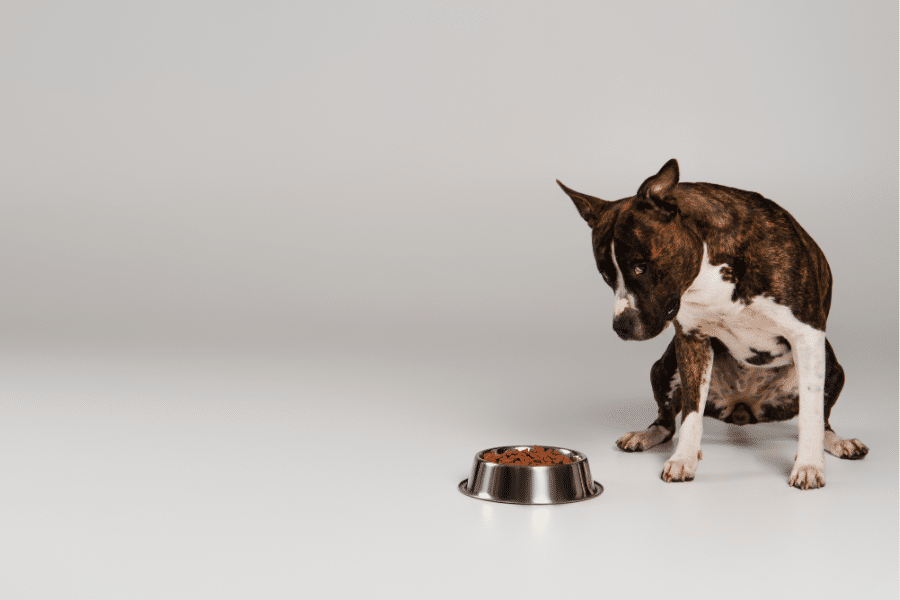
A pet that suddenly refuses food is communicating something worth noticing. Appetite loss can result from stress, a changed routine, picky eating, unfamiliar food, dental discomfort, stomach upset, pain, infection, medication effects, or another health concern.
The key is to look beyond the empty bowl. Watch drinking, energy, bathroom habits, vomiting, stool changes, breathing, and behavior. One missed meal may mean something very different from prolonged refusal. This guide covers common causes, signs that deserve attention, practical steps at home, and when professional assessment may be appropriate for families in Smithfield.
Why Is My Pet Refusing Food?
1. Stress or Routine Changes
Pets notice changes people may overlook. Moving, traveling, visitors, boarding, loud construction, a new animal, or altered feeding times can affect appetite. Anxiety may make an enthusiastic eater hesitate.
2. Food Preferences and Feeding Habits
A new recipe, stale food, too many treats, or table scraps can reduce interest in regular meals. Check the food’s smell, texture, expiration date, and storage before assuming illness.
3. Mouth or Dental Discomfort
Eating can become uncomfortable with sore gums, a damaged tooth, oral inflammation, or another mouth problem. Watch for dropped food, one-sided chewing, pawing at the mouth, bad breath, or reluctance to eat hard kibble.
Health Problems That Can Affect Appetite
Loss of appetite can accompany digestive upset, pain, fever, infection, organ problems, or medication side effects. Refusal to eat does not identify the cause by itself. Age, medical history, diet, and other symptoms provide useful context.
Appetite loss in dogs and cats should be viewed in context. A pet’s normal eating habits, age, size, and routine can change how concerning a missed meal may be. Pet owners who notice appetite changes early can share clearer information, support faster decision-making, and avoid unnecessary home treatments that could make symptoms harder to interpret.
Cats deserve special attention. A cat that stops eating can develop serious complications when intake remains low, particularly if the cat is overweight.
Dogs may skip a meal for a minor reason, yet repeated refusal deserves attention, especially with lethargy, vomiting, diarrhea, abdominal discomfort, or unusual behavior.
What Should You Watch For?
Track These Changes
- How long has your pet refused food?
- Is your pet drinking normally?
- Has vomiting or diarrhea occurred?
- Are urination and bowel movements normal?
- Does your pet seem painful, weak, withdrawn, or restless?
- Does the mouth look unusual?
- Have food, medication, treats, or household routines changed?
These details can make a consultation clearer. Avoid guessing the cause from one symptom.
What Can You Try at Home?
Keep fresh water available. Offer the usual food in a quiet place. Avoid repeatedly switching foods or offering rich human foods, since this can upset digestion and make preferences harder to understand.
Do not force-feed unless a qualified professional specifically instructs you to do so. Do not give human medicines to stimulate appetite or treat possible pain without guidance. Some products safe for people can harm animals.
If your pet misses a meal but otherwise seems normal, observe closely and offer the next scheduled meal. If appetite loss continues, worsens, or comes with other concerning signs, contact your animal care team.
When Should You Seek Prompt Care?
Certain combinations deserve faster attention. Refusal to eat alongside repeated vomiting, severe diarrhea, collapse, marked weakness, trouble breathing, a swollen or painful abdomen, inability to keep water down, or suspected toxin exposure should not be watched casually.
Cats that stop eating also deserve prompt attention.
If you are unsure how serious the situation may be, urgent care for pets can provide timely evaluation and help determine the safest next step.
Call us at: 919-934-1504
How Appetite Loss Is Evaluated
An assessment starts with questions about food intake, water consumption, behavior, recent changes, medications, and other symptoms. A physical examination may focus on the mouth, abdomen, hydration, temperature, and overall condition. Testing may be recommended to clarify the cause.
A transparent approach means explaining what is known, what remains uncertain, and why each recommended step matters. Ask what a test is intended to discover, whether it is time-sensitive, and what options are available.
How to Help Prevent Future Feeding Problems
Maintain consistent meal times and measured portions. Store food properly and monitor expiration dates. Keep treats moderate. Introduce diet changes gradually unless directed otherwise. Include regular attention to dental health.
Notice your pet’s normal eating pattern. Knowing how much your pet typically eats makes subtle changes easier to recognize. A simple feeding log can help identify trends before appetite loss becomes prolonged.
Conclusion
Your pet’s refusal to eat is a message, not a diagnosis. Stress, food changes, mouth discomfort, digestive issues, pain, medication effects, and broader health problems can influence appetite. Pay attention to duration and accompanying symptoms rather than treating every missed meal the same way.
Trust your observations, avoid risky home remedies, and seek timely guidance when appetite loss persists or concerning signs appear. If you’re located in Smithfield, reach out to Willowrun Veterinary Hospital—where compassionate care and community come together for your pet’s well-being. Your attention today can help your pet receive appropriate support at the right time.
Frequently Asked Questions(FAQs):
1. How long can a dog go without eating?
A: A healthy adult dog may occasionally skip one meal, but repeated refusal should not be ignored. Contact a professional sooner if appetite loss lasts, or if vomiting, diarrhea, weakness, pain, or behavior changes appear.
2. Why is my cat not eating but drinking water?
A: A cat may avoid food because of stress, dental discomfort, nausea, pain, illness, or another underlying issue. Continued food refusal deserves prompt attention, particularly because cats can develop serious problems when they eat too little.
3. Should I change my pet’s food when they refuse to eat?
A: Not immediately. First, consider stress, food freshness, recent diet changes, treats, and possible discomfort. Repeatedly changing foods can worsen digestive upset or encourage selective eating. Seek guidance if refusal continues or other symptoms develop.
4. Can dental problems cause a pet to stop eating?
A: Yes. Sore gums, damaged teeth, oral inflammation, or other mouth problems can make chewing uncomfortable. Pets may drop food, chew differently, avoid crunchy foods, develop bad breath, or show reluctance around their bowl.
5. Is refusing food always a sign of serious illness?
A: No. Stress, routine changes, food preferences, or mild stomach upset can temporarily reduce appetite. Concern increases when refusal persists or occurs with weakness, vomiting, diarrhea, pain, breathing difficulty, or other unusual signs.
6. When should I contact a professional about appetite loss?
A: Contact a professional when your pet repeatedly refuses food, seems unwell, cannot keep water down, shows significant pain or weakness, or develops other concerning symptoms. Young, older, or medically fragile pets may need earlier assessment.