New Clients First Exam is just $44!*

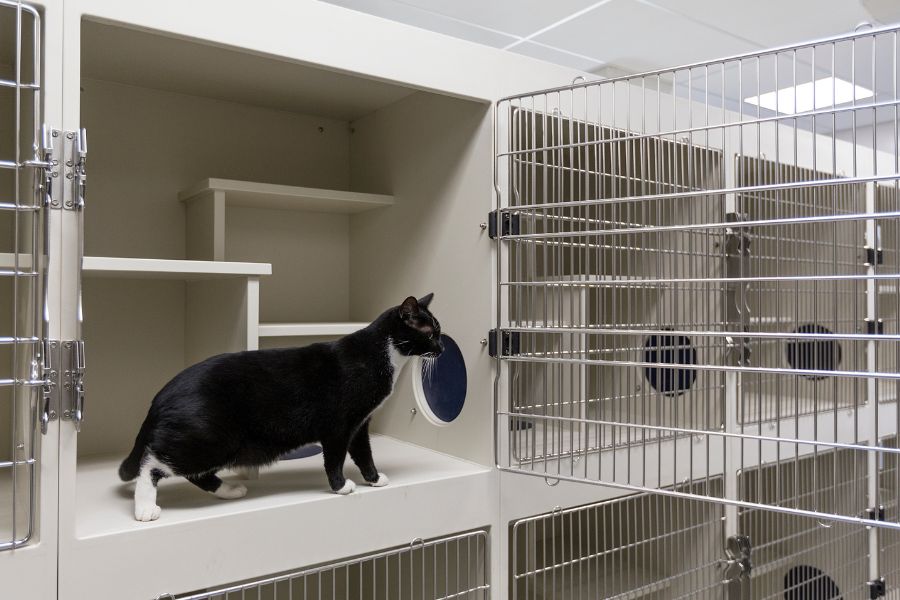
Leaving your pet at a boarding facility can feel emotional for both pets and owners. Many animals become uneasy when routines change, unfamiliar smells appear, and family members leave for several days. Careful preparation helps create a calmer experience. Pets often respond well to gradual schedule changes, familiar items, short practice stays, and positive reinforcement before boarding begins.
This guide explains how to reduce stress before boarding, what supplies to pack, how to build confidence, and ways to support your pet after returning home. Pet owners searching for reliable care in Smithfield can use these practical steps to help their companions feel more secure.
Why Pets Experience Separation Anxiety During Boarding
Dogs and cats form strong bonds with their families. Sudden schedule changes may create nervous behaviors such as pacing, whining, barking, hiding, or refusing meals. Some pets become stressed by unfamiliar sounds and environments.
Young pets, rescue animals, and pets with limited social experiences may struggle more during boarding visits.
Start Preparing Early
Practice Short Separations
Pets adjust better when owners begin training several weeks before boarding. Start by leaving your pet alone for short periods during the day. Gradually increase the length of time away. Keep departures calm and brief.
Visit the Facility Before Boarding
A short visit helps pets become familiar with the environment before their stay. Allow your pet to explore while meeting staff members.
Discuss feeding schedules, exercise needs, medications, sleeping preferences, and behavior concerns during the visit. Clear communication helps staff provide consistent care throughout the stay.
Pack Familiar Comfort Items
Comfort items provide emotional support during boarding visits. Pack your pet’s regular food, favorite toys, treats, blankets, or bedding with familiar scents from home.
Label all belongings clearly before arrival. Include written feeding instructions, medication details, emergency contacts, and daily habits that may help staff understand your pet’s routine.
Many families searching for dependable pet boarding services appreciate facilities that encourage comfort items from home because they support emotional stability during overnight stays.
Keep Daily Routines Consistent
Pets thrive on structure. Sudden schedule changes before boarding may increase anxiety levels. Maintain regular feeding times, walks, play sessions, and bedtime routines during the days leading up to the stay.
Dogs with regular physical activity often settle more comfortably during boarding visits. Interactive toys and puzzle feeders may help mentally stimulate pets before departure.
Avoid dramatic goodbyes during drop-off appointments. Emotional departures may increase nervous behaviors in sensitive pets. Calm interactions help reassure pets that the situation is safe.
Support Your Pet After Boarding
Some pets appear tired or clingy after returning home. Provide a calm environment after pickup and allow your pet time to settle back into normal routines.
Resume familiar feeding schedules and exercise habits soon after returning home. Observe your pet closely for appetite changes, digestive upset, or unusual stress behaviors. Contact the boarding team if you have questions about your pet’s stay.
Building Confidence for Future Boarding Visits
Positive boarding experiences build long-term confidence. Pets that experience calm routines and supportive environments often adjust more comfortably during future stays.
Owners should also stay informed about vaccination requirements, activity schedules, sleeping arrangements, and staff supervision policies before scheduling visits. Transparent communication builds trust and creates a safer experience for pets and families.
At Willowrun Veterinary Hospital, we support families with compassionate guidance, personalized boarding preparation tips, and attentive care focused on your pet’s comfort. If your companion needs extra support before an upcoming stay, consider booking an appointment with our caring team.
Conclusion:
Consistent preparation helps pets feel safer, calmer, and more confident during overnight boarding experiences.
Preparing pets for boarding takes patience, planning, and reassurance. Small efforts before the stay often create a calmer experience for everyone involved. Families seeking dependable support for their companions deserve clear communication and compassionate care. If you’re located in Smithfield, connect with our team at Willowrun Veterinary Hospital, where community-focused support and attentive care help protect your pet’s comfort and well-being.
Frequently Asked Questions(FAQs):
1. How far in advance should I prepare my pet for boarding?
Most pets benefit from preparation several weeks before boarding. Short separation practice, updated routines, and facility visits help reduce stress. Early preparation gives pets time to build confidence and adjust gradually before spending nights away from home.
2. What should I pack for my pet’s boarding stay?
Pack regular food, medications, feeding instructions, emergency contacts, favorite toys, blankets, and familiar bedding. Comfort items with familiar scents often help pets feel calmer during overnight stays. Label all belongings clearly before arriving at the boarding facility.
3. Can boarding increase anxiety in pets?
Some pets experience temporary stress during boarding visits, especially pets unfamiliar with separation. Proper preparation, regular exercise, familiar surroundings, and experienced caregivers can help reduce anxiety. Many pets become more comfortable after positive experiences and consistent routines during future visits.
4. Should I stay longer during drop-off to comfort my pet?
Long emotional goodbyes may increase nervous behavior in some pets. Calm, confident departures often help pets settle more quickly. Staff members usually guide pets into activities or quiet spaces shortly after owners leave the facility.
5. Are familiar toys and blankets helpful during boarding?
Yes. Familiar smells provide emotional comfort and reassurance for many pets during boarding stays. Favorite blankets, bedding, or toys often help pets relax in unfamiliar surroundings while maintaining a stronger sense of routine and security.
6. What should I do if my pet seems tired after boarding?
Many pets need quiet time after returning home. Maintain normal feeding schedules, hydration, walks, and rest periods. Contact the boarding staff if your pet experiences vomiting, loss of appetite, severe stress behaviors, or unusual symptoms after returning home.