New Clients First Exam is just $44!*

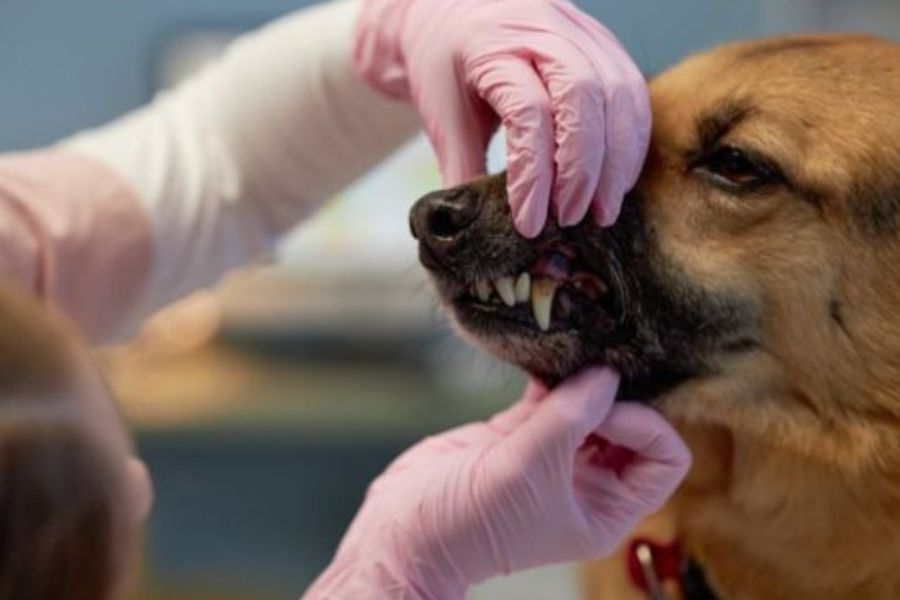
Many pet owners notice bad breath before they notice deeper dental problems. Plaque buildup, sore gums, damaged teeth, and oral infections can affect pets long before symptoms appear. Dental problems can influence eating habits, mood, sleep, and comfort. Pets often continue acting normal while discomfort slowly grows.
Routine cleanings, home care, healthy chewing habits, and oral checks support wellness and help prevent painful conditions. This guide explains the signs of dental disease, the value of prevention, the importance of professional exams, and simple habits that support strong teeth and gums.
Families searching for reliable support for their pets can benefit from learning how consistent oral care protects overall health in Smithfield.
Why Oral Health Deserves More Attention
Dental disease is one of the most common health concerns seen in dogs and cats. Food particles and bacteria collect around the teeth each day. Plaque hardens into tartar when it is not removed. Gums may become swollen, sensitive, or infected. Some pets struggle to chew dry food because their mouths hurt.
Poor oral health can also affect other areas of the body. Bacteria from untreated infections may travel through the bloodstream. This may place extra stress on the heart, liver, and kidneys. Early support lowers the chance of advanced dental problems and helps pets stay active and comfortable.
Common Signs of Dental Problems
Changes Pet Owners Should Notice
Many signs of dental disease appear slowly. Pet owners should watch for persistent bad breath, red gums, yellow buildup on teeth, drooling, chewing on one side, pawing at the mouth, or reduced interest in food. Some pets become less playful because mouth pain affects their daily routine.
Broken teeth and loose teeth also require prompt attention. Ignoring these signs may allow infections to worsen over time. Regular exams help identify hidden issues before they become more painful or expensive to treat.
Daily Habits That Protect Teeth
Small Steps Make a Big Difference
Consistent home care supports cleaner teeth and healthier gums. Brushing with pet-safe toothpaste removes plaque before it hardens. Dental chews, water additives, and approved oral rinses may also support cleaner mouths. Soft toys that trap bacteria should be washed often.
A balanced diet also supports oral health. Crunchy foods and healthy chewing activities may reduce buildup on the teeth. Pet owners looking for dependable information about pet dental care should focus on habits that are realistic and easy to maintain throughout the year.
Professional Cleanings Matter
Professional dental cleanings remove tartar from areas that brushing cannot reach. Oral exams allow trained teams to check for gum disease, fractured teeth, swelling, and infections below the gumline. Dental X-rays may reveal hidden problems that are not visible during a checkup.
Many pets benefit from regular cleanings based on age, breed, diet, and existing dental conditions. Smaller breeds often develop dental disease earlier because their teeth are crowded together. Cats may hide oral discomfort for long periods, which makes routine monitoring even more important.
Creating a Comfortable Dental Routine
Pets respond best to calm and patient routines. Introducing toothbrushes slowly helps reduce fear and resistance. Rewards, praise, and short sessions encourage cooperation. Starting dental care early in life often creates better long-term habits.
Senior pets also benefit from oral care support. Aging pets may face tooth wear, gum recession, or increased plaque buildup. Gentle daily care helps maintain comfort and supports healthy eating habits during later stages of life.
Conclusion
Strong oral health supports comfort, nutrition, energy, and wellness throughout a pet’s life. Consistent home care and regular dental evaluations help prevent avoidable pain and long-term complications.
Pet owners who stay proactive often notice healthier habits, fresher breath, and improved quality of life in their companions. If you are located near Smithfield, connect with our facility, where compassionate support and community-focused care come together to protect your pet’s well-being.
Frequently Asked Questions(FAQs):
1. How often should pets receive dental cleanings?
A: Most pets benefit from annual dental evaluations and cleanings. Some breeds with crowded teeth or ongoing plaque buildup may need more frequent visits. Regular exams help identify small concerns before they develop into painful infections or expensive treatment needs.
2. Is bad breath always a sign of dental disease?
A: Persistent bad breath often signals bacteria, plaque buildup, or gum irritation. Occasional odor after meals may be normal. Strong or worsening breath should never be ignored because it may indicate infection, damaged teeth, or other oral health concerns requiring attention.
3. Can dental disease affect my pet’s behavior?
A: Yes. Pets experiencing oral discomfort may avoid food, become withdrawn, chew differently, or lose interest in play. Some pets hide pain very well, which makes regular dental checks important for identifying issues before behavior changes become more noticeable.
4. Are dental treats enough to keep teeth healthy?
A: Dental treats can support cleaner teeth, though they should not replace brushing or professional care. Daily brushing removes plaque more effectively. Routine exams and cleanings help address hidden buildup and gum disease that treatments alone cannot fully prevent.
5. Why are smaller dog breeds more prone to dental issues?
A: Small dogs often have crowded teeth, which creates tight spaces where plaque and bacteria collect easily. Tartar buildup may develop faster in these breeds. Regular brushing, dental evaluations, and healthy chewing habits help reduce long term oral problems.
6. What should I do if my pet refuses tooth brushing?
A: Start slowly with finger brushes, flavored toothpaste, and short sessions. Positive reinforcement helps pets feel more comfortable during dental routines. At Willowrun Veterinary Hospital, we provide guidance, oral evaluations, and personalized recommendations that support safer and less stressful dental care habits.